Home Blog Page 96

Iranian workers demand basic rights as inflation skyrockets

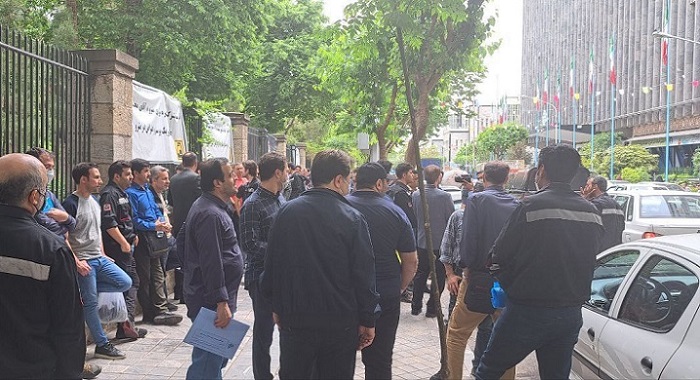
May 1 marks International Workers Day, a worldwide occasion for protests. While workers’ demonstrations in other countries aim at improving their situation, Iranian workers are trying to achieve their basic rights.


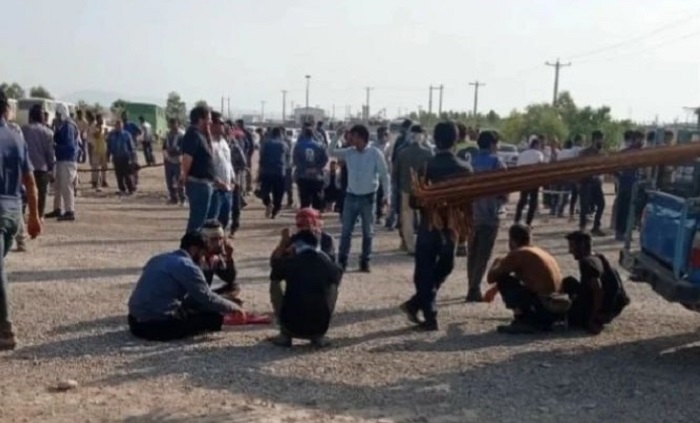
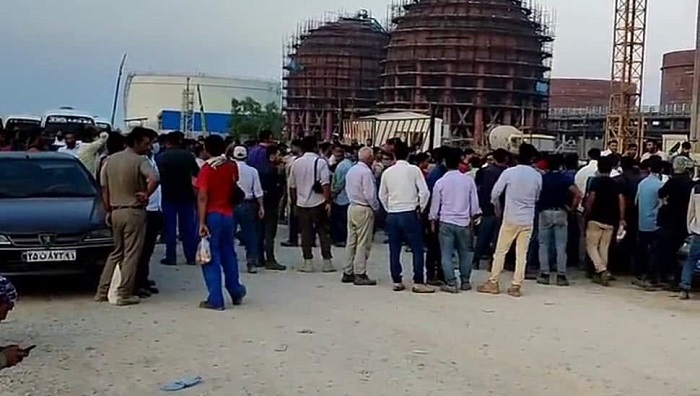
Strikes and protests by oil and petrochemical workers have been expanding across Iran recently. These workers demand their basic rights, such as a salary in accordance with Iran’s skyrocketing inflation. Instead of addressing their problem, Iranian authorities have fired thousands of workers. According to state-run Etemad Daily, eight petrochemical projects have been struck by numerous seasonal workers who are protesting their dire livelihood circumstances.
Iran’s nationwide uprising: Protests continue in over 280 cities

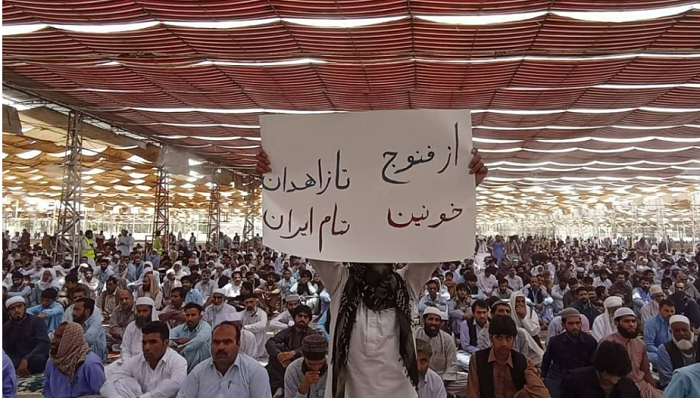
On the 226th day of the nationwide uprising in Iran, protests continue to rage in different cities across the country. The latest demonstrations were witnessed in the cities of Zahedan and Fanuj in the Sistan & Baluchestan Province of southeast Iran.


Thousands of locals in Zahedan took to the streets after Friday prayers to participate in a major anti-regime demonstration. In Fanuj, people continued their protests against the regime’s security forces, who recently attacked and opened fire on protesters, killing at least seven people.

Iran’s shortage of medicine reaches critical point: Who’s to blame?

Iran is experiencing a critical shortage of medicine, with the state-run Taamol newspaper describing it as an "alarming situation of medicine."


This crisis endangers the lives of millions of Iranians, yet there is confusion as to who is to blame. Regime officials and apologists blame the crisis on “global arrogance” and “ruthless sanctions.” However, it is crystal clear to Iranians that the ruling theocracy and its mafia are the real perpetrators of the lack of medicine in Iran.


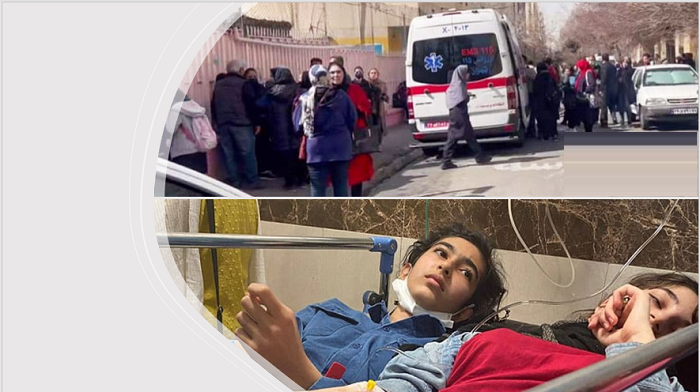
Iranian schools witness poisoning of schoolgirls in organized chemical attacks

On April 24 and 25, multiple schools across Iran witnessed organized chemical attacks resulting in the poisoning of schoolgirls.


This is believed to be an attempt by the Iranian regime, Khamenei, and the IRGC to suppress the uprising and take revenge on girls and women who were at the forefront of protests in 2022 and 2023.

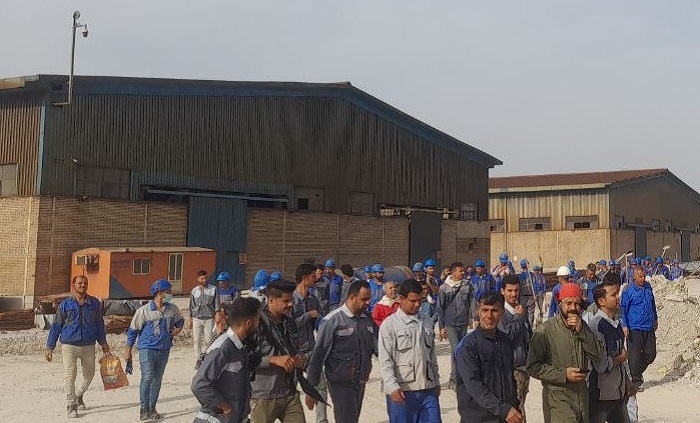
Iran’s nationwide strike enters sixth day as workers continue demands for higher salaries and rights

The Iranian nationwide uprising entered its 223rd day on Wednesday, with industrial workers continuing their strike for the sixth day.


The strike has now expanded to 104 sites across 13 provinces, affecting workers in oil, gas, petrochemicals, steel, copper, and other industrial sectors, who are refusing to work until their demands for higher salaries and rights are met.In Sistan & Baluchestan Province, southeast Iran, oppressive security forces ran over two motorcycles with their vehicle, leaving four locals injured on Tuesday night.

Iran removes preferential currency for pharmaceutical industry, risking higher drug prices and shortages


Iran’s regime has announced that the country’s pharmaceutical industry will no longer receive the preferential currency, foreign currencies such as the dollar and euro subsidized by the government.


The decision was made to tackle currency market distortions and prevent the smuggling of subsidized drugs out of the country. However, health officials say that they have only received between one-third and one-tenth of what they have asked for to fulfill the country’s medical needs. The preferred currency, which had been allocated to domestic drug production and accounted for 97% of the country’s needs, has now been redirected toward the import of drugs.

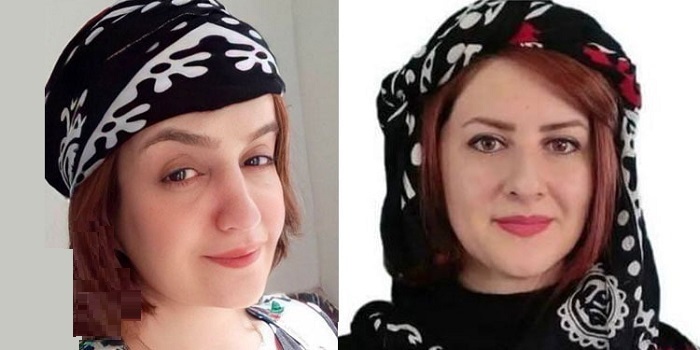
Kurdish women’s rights activists under pressure to make false confessions in Iran

Kurdish women's rights activists in Iran are being subjected to pressure from the Intelligence Department of Sanandaj to make false confessions against themselves.


Kurdish women's rights activists in Iran are being subjected to pressure from the Intelligence Department of Sanandaj to make false confessions against themselves.
Kurdish women’s rights activists in Iran are being subjected to pressure from the Intelligence Department of Sanandaj to make false confessions against themselves.


Kurdish women’s rights activists in Iran are being subjected to pressure from the Intelligence Department of Sanandaj to make false confessions against themselves. Two activists, journalist Zhina Moddares Gorji and teacher Fariba Zand Karimi, have been detained in solitary confinement and deprived of contact with their families.

Nationwide labour strikes in Iran continue for 221st day despite crackdown

Iran is experiencing its 221st consecutive day of nationwide strikes as workers from the country’s industrial sites continue to protest poor working conditions, delayed salaries, and low-quality facilities.


The strikes have spread to at least 76 oil, petrochemical, steel, and copper plants and mines in 27 cities across 11 provinces, affecting thousands of workers. In response, protesters have stepped up their attacks on the regime’s interests, with resistance groups including the MEK Resistance Units joining the workers in their struggle.

Iranian regime’s Supreme Leader rejects referendum and acknowledges bankruptcy in speeches

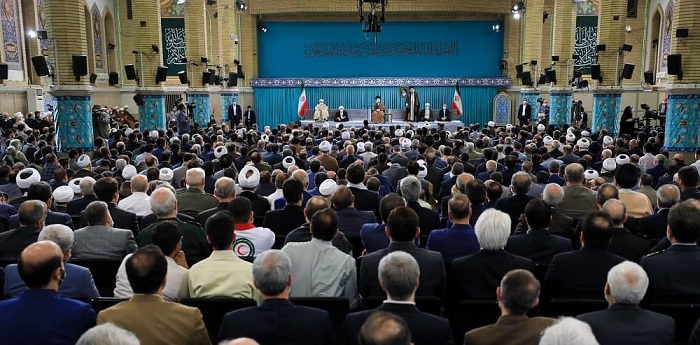
Iranian Supreme Leader, Ali Khamenei, delivered two speeches last week, admitting the nationwide uprising and its persistence have created a deadlock for the ruling theocracy.


In his Tuesday remarks to members of the “university Basij,” Khamenei rejected the idea of having a referendum, suggested by the so-called reformist figures within the regime as the only way to save the mullahs’ rule.

Iran’s nationwide uprising continues as workers of oil, gas, and petrochemical sites go on strike

The 219th day of Iran’s nationwide uprising saw the workers of various oil, gas, and petrochemical sites across the country on strike for a second day.


This followed protests by the brave people of Zahedan in Sistan & Baluchestan Province of southeast Iran, renewing their demonstrations and calls for the overthrow of the mullahs’ dictatorship. Protests in Iran have expanded to at least 282 cities, with over 750 people killed and more than 30,000 arrested by the regime’s forces, according to sources of Iranian opposition People’s Mojahedin of Iran (PMOI/MEK).