Home Blog Page 113

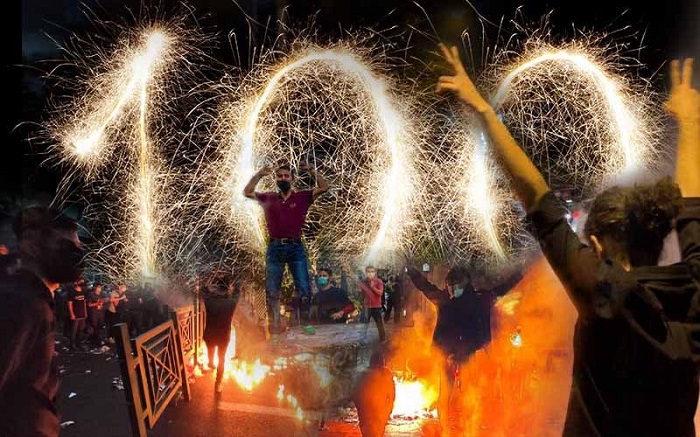
Iranian uprising marks the 100th day of widespread protests on Christmas

On the eve of Christmas, citizens in Iran marked Day 100 of the ongoing revolution. Since the heinous murder of 22-year-old Mahsa Amini in police custody on September 16, the country has seen thousands of women, men, and children risk their lives for freedom, justice, and equality.


“This weekend marks 100 days since Mahsa Amini died, and protestors have called for greater freedoms and the demise of the theocratic regime,” said Middle East observer Jonathan Harounoff. “With very early cracks appearing among the leadership/IRGC and protests showing no signs of abating, 2023 may be a transformative year in Iran.”

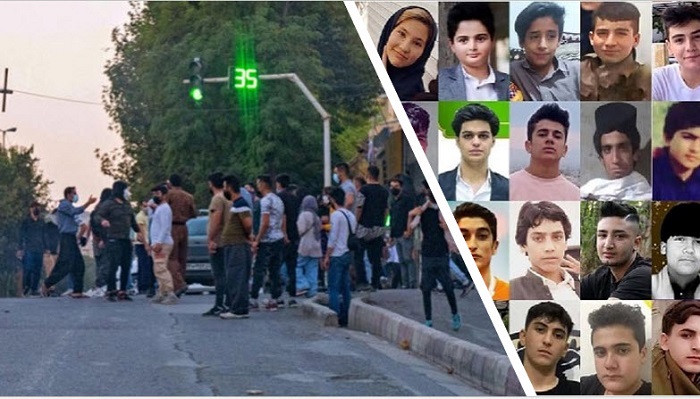
According to the People’s Mojahedin of Iran (PMOI/MEK), the protests have spread to 282 cities. The regime has killed over 750 citizens, injured tens of thousands, and detained over 30,000. The names of 603 protesters killed have been published by the MEK.

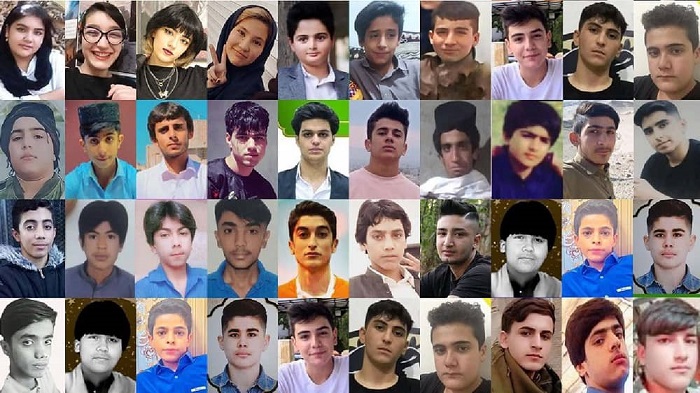
Despite the regime’s unprecedented oppressive measures, such as firing birdshot and live ammo at defenseless citizens, including children, arbitrarily arresting tens of thousands of people, and imposing extrajudicial death sentences and hastily hanging protesters, anti-regime demonstrations, strikes, and activities continue across the country.


The regime’s judiciary reportedly upheld the death penalty against Mohammad Ghobadlu, 22, on the grounds of “waging war against God” and “corruption on earth.” In an emotional video, her mother begs everyone to help his son and warns about her loved one’s fate.

In another moving video, the parents of Javad Rouhi, 35, beg the public to be their voice. Javad is facing false charges of “moharebeh,” which is punishable by death. “The Iranian regime is afraid and cowardly murdering its own people that choose to stand for their freedom. The regime has lost any semblance of legitimacy it once had,” said U.S. Senator Bill Cassidy.

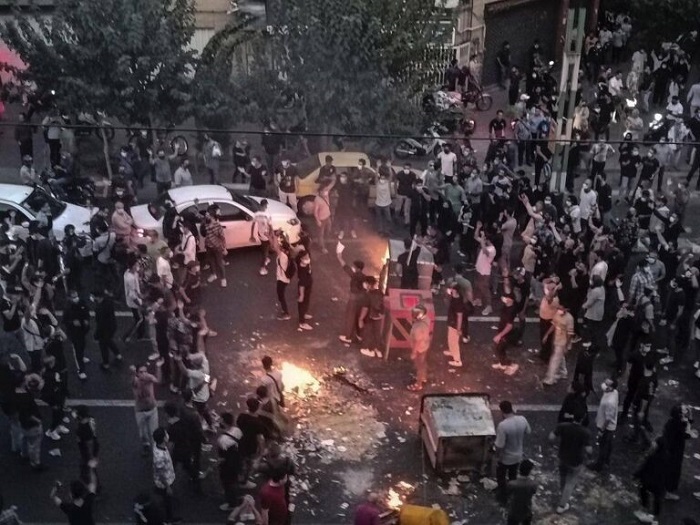
In continuation of the nationwide protests, armed locals opened fire on a vehicle of the security forces on Fazeli Street, killing two regime agents, according to social media reports. Protests and rallies were held in various districts throughout Tehran. Some used Molotov cocktails to target a site of the regime’s IRGC paramilitary Basij units.


Protesters gathered in Chaharbagh, Isfahan, central Iran, and chanted anti-regime slogans. Protests against the regime continued in Mashhad, northeast Iran, in the city’s Ahmadabad district.

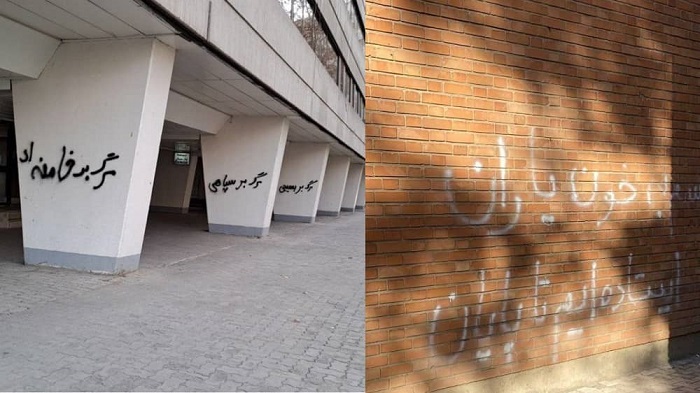
Locals braved the snow and chanted “death to Khamenei” in Karaj, west of Tehran. Protesters staged a rally in Fardis township, chanting, “Death to the murderous Khamenei, death to the child-killing regime.” Locals in the city’s Golshahr district chanted, “This is the year Seyed Ali (Khamenei) is overthrown!”

Locals in Sanandaj, western Iran, continued to demonstrate against the regime in the city’s Nabovvat Square. They also set fires and blocked the highway.


Iranian opposition President-elect Maryam Rajavi of the National Council of Resistance of Iran (NCRI), paid tribute in her Christmas message to “all the brave women, girls, and young people who shattered the walls of fear rebelled against the darkness of despair and powerlessness and led the battle to uproot religious tyranny.”

She also urged the international community to stand with the Iranian people. “I appeal to all my Christian brothers and sisters around the world to lend support to the Iranian uprising,” Mrs. Rajavi said.


MEK Iran (follow us on Twitter and Facebook), Maryam Rajavi’s on her siteTwitter & Facebook, NCRI  (Twitter & Facebook), and People’s Mojahedin Organization of Iran – MEK IRAN – YouTub
Iranian authorities continue to arbitrarily detain protesters and give them harsh sentences

At the same time, the clerical regime continues to arbitrarily arrest and sentence detained protesters in an attempt to put an end to the protests.

On Day 100 of the Iranian uprising, protests and demonstrations were held in Tehran and other cities such as Isfahan, Babol, Mashhad, Fardis, and Golshahr in Karaj, Bandar Abbas, and Sanandaj. During nightly demonstrations in Haft Hose and Narmak in Tehran, brave women chanted, “Bloodthirsty Khamenei, we shall bring you down.”

Aghaii, Pari

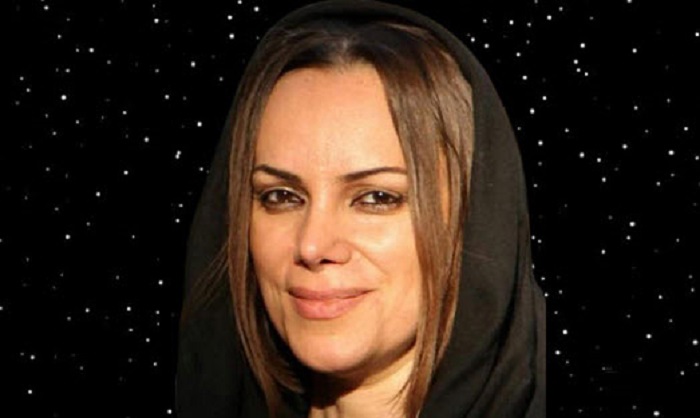
Pari Aghaii, the accountant of a non-profit school, was sentenced to 12 years in prison, a ban on leaving the country, and other social repercussions by the Tehran Revolutionary Court. Pari Aghaii, 49, was arrested on October 16, 2022, and was released from Qarchak prison on December 19 after posting bail.

Lor’s two sisters

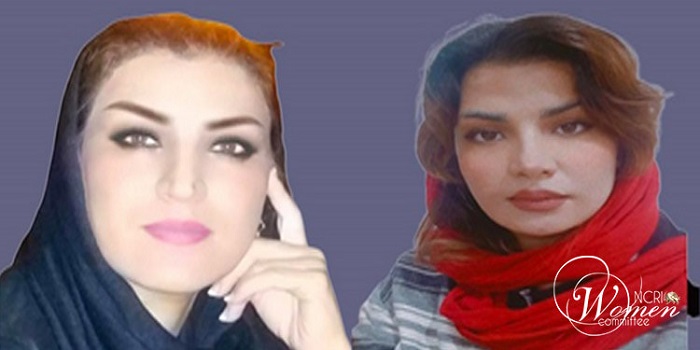
Fatemeh and Golnaz Beigpour, two sisters from Dehloran, were sentenced to five years in prison each by the Revolutionary Court of Dehloran. Fatemeh and Golnaz Beigpour were arrested on September 21, 2022, and after a month in prison, they were released on conditional bail.

Three brothers and Fatemeh’s husband were also arrested and transferred to the Central Prison of Ilam on November 22, December 8, 12, and 22.


During their detention, they were denied their most basic rights, such as visitation and access to a lawyer, and in some cases, they were subjected to severe torture.
From left, Golnaz and Fatemeh Beigpour . During their detention, they were denied their most basic rights, such as visitation and access to a lawyer, and in some cases, they were subjected to severe torture.


Yousefzadeh, Rojine

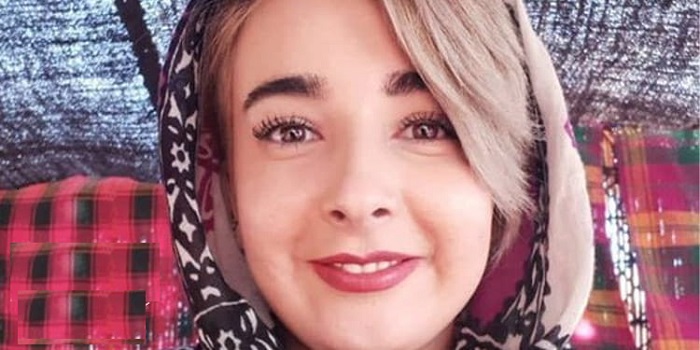
Rojine (Marzieh) Yousefzadeh was sentenced to 5 years in prison by Branch 29 of the Tehran Revolutionary Court. She was arrested three months ago during nationwide protests in Tehran and was transferred to Varamin’s Qarchak prison. She has been denied the right to choose her own lawyer.


Rojine Yousefzadeh's bail has been set at 1 billion tomans, but she remains in Qarchak prison due to her family's inability to pay it.
Rojine Yousefzadeh’s bail has been set at 1 billion tomans, but she remains in Qarchak prison due to her family’s inability to pay it.

Sarvi, Nazanin Zahra


On December 18, 2022, the first branch of Sanandaj’s Revolutionary Court heard a hearing on the charges against Ph.D. student Nazanin Zahra Sarvi.

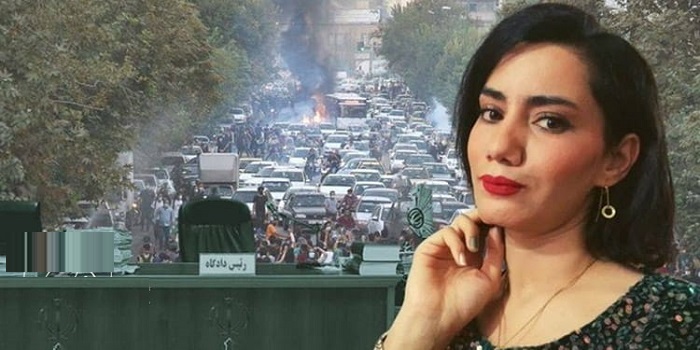
Nazanin Zahra Sarvi appeared in court without a permit to defend herself. “Assembly and collusion against national security” is one of her charges. The security services brought this charge against her based on the forced confession of another detainee, which had no legal standing. The investigator and the court judge also increased the monetary value of her bail to 500 million and then to 3 billion tomans, respectively.


On November 4, 2022, she was apprehended by state forces and released from prison on November 16.


Kavousi, Mojgan

On December 20, 2022, Mojgan Kavousi, a Kurdish writer, researcher, and mother language rights activist, was charged with “corruption on Earth” in court.

The Sari Revolutionary Court’s first branch investigated charges of “corruption on Earth, insulting the leader, publishing lies, propaganda against the state, and inciting people to war and killing with the intent of disrupting national security and cooperating with hostile countries.”


On September 22, intelligence agents arrested Ms. Kavousi at her home in Nowshahr and transferred her to the Sari Intelligence Department's detention center. She was transferred to Tanekabon prison after the interrogation.
On September 22, intelligence agents arrested Ms. Kavousi at her home in Nowshahr and transferred her to the Sari Intelligence Department’s detention center. She was transferred to Tanekabon prison after the interrogation.


MEK Iran (follow us on Twitter and Facebook), Maryam Rajavi’s on her siteTwitter & Facebook, NCRI  (Twitter & Facebook), and People’s Mojahedin Organization of Iran – MEK IRAN – YouTub
Iran revolution reaches 100 days of incessant protests

According to latest reports protesters in at least 280 cities throughout Iran’s 31 provinces have taken to the streets for 100 days now seeking to overthrow the mullahs’ regime. Over 750 have been killed by regime security forces and at least 30,000 arrested, via sources affiliated to the Iranian opposition PMOI/MEK.
According to the latest reports protesters in at least 280 cities throughout Iran’s 31 provinces have taken to the streets for 100 days now seeking to overthrow the mullahs’ regime. Over 750 have been killed by regime security forces and at least 30,000 arrested, via sources affiliated to the Iranian opposition PMOI/MEK.


On Saturday, Iran’s revolution will mark its 100th day since the day Mahsa Amini, a 22-year-old Iranian Kurdish woman, was killed in police custody for allegedly violating the country’s strict dress code for women. Since that day, Iran has seen unprecedented and unrelenting anti-regime protests, which have evolved into a nationwide call for the mullahs’ regime to be overthrown.

UNSC resolutions as the only solution to Iran’s nuclear negotiations

On Wednesday, it was revealed that US President Joe Biden was caught on video in November during a meeting with activists, declaring that the nuclear deal between Iran's regime and six world powers was "dead."
On Wednesday, it was revealed that US President Joe Biden was caught on video in November during a meeting with activists, declaring that the nuclear deal between Iran’s regime and six world powers was “dead.”


The video’s release came two days after representatives from the International Atomic Energy Agency (IAEA) left Iran following meetings to discuss issues preventing the 2015 deal from being revived. Meanwhile, these and other issues were discussed among regional and Western powers at a conference in Jordan co-hosted by France and Iraq.

The talks are technically still ongoing, though there have been no new meetings since the summer. The prospect of such meetings became even more remote in September when anti-regime protests broke out across Iran following the death of Mahsa Amini at the hands of the “morality police” in Tehran.

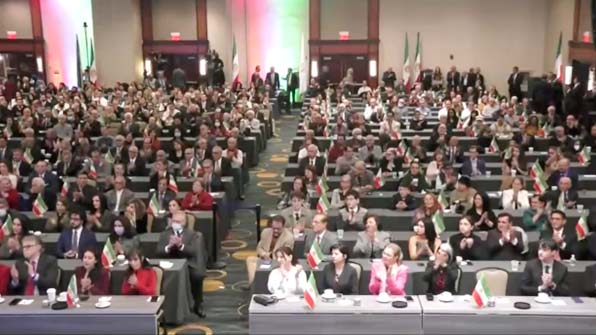
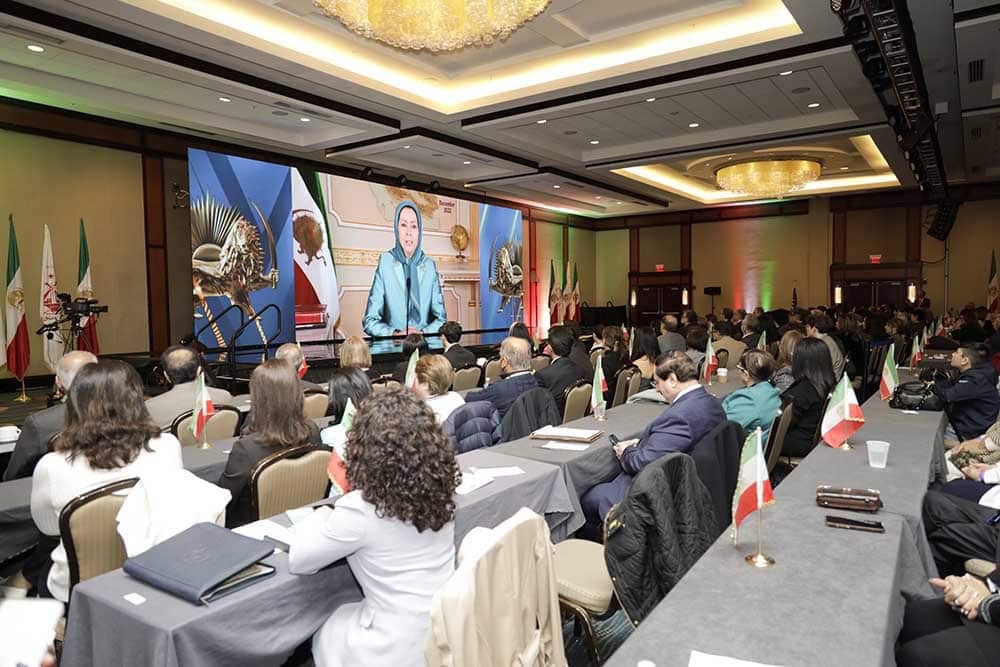
This sentiment has been reaffirmed in a number of venues over the last three months, including a conference held last Saturday in Washington by the Organization of Iranian American Communities. Several US officials and lawmakers spoke at the event, including former Secretary of State Mike Pompeo and Iranian opposition President-elect Maryam Rajavi of the National Council of Resistance of Iran (NCRI).


Since shortly after the uprising began, the US government has maintained that reviving the JCPOA is not a priority and that its priority will remain to respond to Iran's suppression of dissent and its provision of drones and other weaponry to Russia for use in the war on Ukraine.
Since shortly after the uprising began, the US government has maintained that reviving the JCPOA is not a priority and that its priority will remain to respond to Iran’s suppression of dissent and its provision of drones and other weaponry to Russia for use in the war on Ukraine.


As evidenced by the differences between administrations, the precise posture of the US government toward the Iranian regime has ebbed and flowed. Negotiations to resurrect the JCPOA have run counter to the Iranian people’s desire to isolate the regime.

Meetings between the mullahs’ Foreign Minister Hossein Amir-Abdollahian and EU foreign policy chief Josep Borrell were acknowledged by Iranian state media, but reports generally stated that the discussions were “frank, friendly, and constructive.” They made no mention of whether the two sides had moved any closer to an agreement, let alone whether Amir-Abdollahian had expressed a willingness to back down from prior Iranian negotiating positions that the US and its European allies had all dismissed as non-starters.

When IAEA representatives left Iran on Monday, regime officials stated that the previous discussions had been solely focused on resolving “safeguards” issues in order to return to mutual compliance with the JCPOA. This appears unlikely, given that the nuclear agency’s head, Rafael Grossi, had just days earlier made public statements reaffirming his commitment to obtaining credible and complete answers from Tehran regarding unexplained traces of nuclear material at three undeclared sites.

Iran’s dubious account of the IAEA visit calls into question the seriousness of its “positive signals” to Western adversaries. Its Director General, Mohammad Eslami, boasted on Saturday that Iran’s uranium enrichment capacity had “more than doubled,” implying that negotiations had failed.


Tehran’s behavior this week demonstrated the regime’s commitment to provocative actions. Now, Iran’s democratic revolution poses an existential threat to the ruling theocracy, and the mullahs are fully aware of their bleak future. The time has come for Western powers to use their means, including the JCPOA’s snap-back mechanism, to reinstate the six UN Security Council resolutions and punish the Iranian regime for its warmongering policies.


MEK Iran (follow us on Twitter and Facebook), Maryam Rajavi’s on her siteTwitter & Facebook, NCRI  (Twitter & Facebook), and People’s Mojahedin Organization of Iran – MEK IRAN – YouTub
Past time for the UN Security Council to take action to expel Iran’s murderous regime

Millions of hearts and minds in Iran have changed since the immoral inquisition apparatus known as the "morality police" claimed its latest victim on September 16.
Millions of hearts and minds in Iran have changed since the immoral inquisition apparatus known as the “morality police” claimed its latest victim on September 16.


Thousands of women, men, and children have risked their lives across the country in the last 100 days to advocate for freedom, democracy, and equality. According to reports from within Iran by the People’s Mojahedin of Iran (PMOI/MEK), security forces have killed over 750 people and injured thousands more.

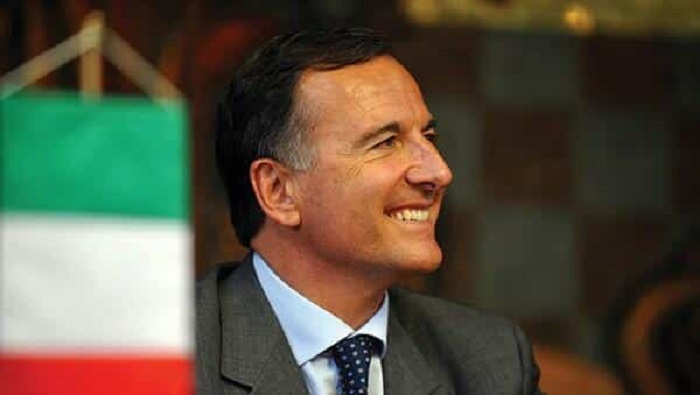
Franco Frattini, A Sincere Supporter of Iran’s People and Resistance Passed Away

Franco Frattini, the former Italian Minister of Foreign Affairs and a great friend of the Iranian people and their organized Resistance, passed away on December 24. Born in 1957,


 Mr. Frattini, a magistrate by profession, entered politics in the 1980s and held senior positions in different governments due to his competence and statesmanship.  He expressed his utter support of the Iranian people’s freedom and their organized Resistance endeavoring to that end by assisting several international conferences held by the Iranian opposition in recent years. 

The nation of Iran has long yearned for freedom and democracy

Iran's clerical government has tried a number of tactics to quell the expanding national wave of discontent since the protests started in September.
Iran’s clerical government has tried a number of tactics to quell the expanding national wave of discontent since the protests started in September.

Iranians of all socioeconomic classes are demanding significant change as the nationwide uprising enters its fourth month. While many people attribute the protests to Generation Z in the country, a closer look reveals that the country’s demand for freedom and democracy cuts across generations.


Tehran’s explosive reaction to Iranian-American MEK conference underlines regime’s weak status

A bipartisan conference in Washington, D.C., was held on Saturday in support of the Iranian people's democratic revolution and organized Resistance movement. Tehran erupted with hysterical reactions just hours after the event.


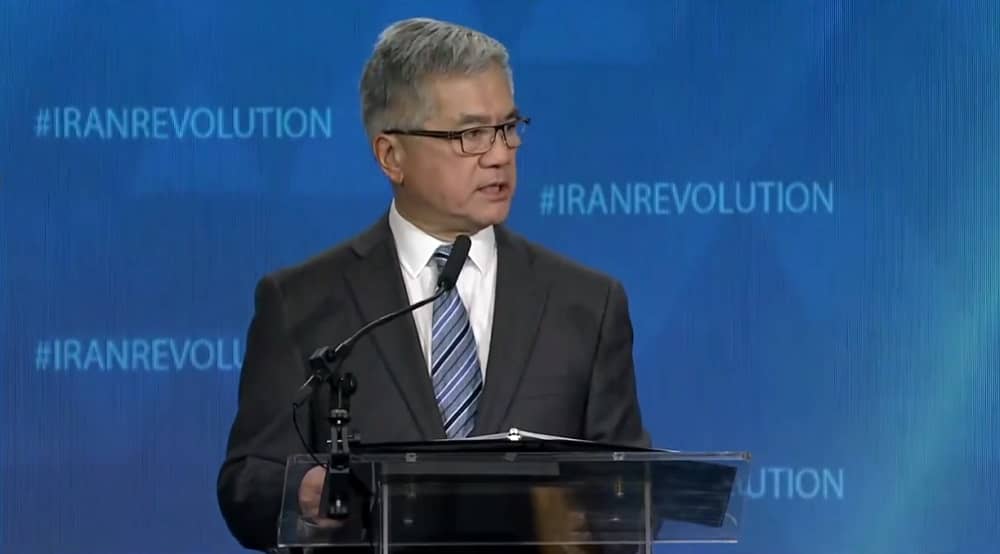
Iranian opposition President-elect Maryam Rajavi of the National Council of Resistance of Iran (NCRI), was the keynote speaker at Saturday’s conference. Former US Secretary of State Mike Pompeo, former US Secretary of Commerce Gary Locke, former Director of the Office of Public Liaison Linda Chavez, former US Ambassador-at-Large for International Religious Freedom Sam Brownback, and former US Airborne Corps General Jack Keane are among those who have spoken out.

Hossein Amir-Abodollahian, the Iranian regime’s foreign minister, was the first to respond. In response to a reporter’s question about the conference in Washington, D.C., and whether there is still hope for negotiations with the US to resurrect the 2015 nuclear deal, Amir-Abdollahian angrily referred to the main Iranian opposition group, the Mujahedin-e Khalq (MEK), and Secretary Pompeo as “expired politicians,” and abruptly left the conference.


After a few hours, Iran’s state TV channels began airing rather pitiful remarks by Esmail Ghaani, the Revolutionary Guards (IRGC) Quds Force commander. In his statements, a Ghaani yelled in agony while insulting Mrs. Rajavi and the Iranian opposition and accusing all European countries of conspiring against the regime.


"Gary Locke, former U.S. Minister of Commerce, said he was honored to follow Maryam Rajavi's plans, which have been ratified by over 250 members of congress from both parties.
“Gary Locke, former U.S. Minister of Commerce, said he was honored to follow Maryam Rajavi’s plans, which have been ratified by over 250 members of congress from both parties.


Linda Chavez, the former White House Public Relations Director, stated that Rajavi ‘has been leading this movement for a long time.’” On December 18, the state-run Jam-e Jam TV aired a so-called special report from Saturday’s conference.

“The former US Secretaries of State and Commerce, without mentioning the MEK’s crimes, claimed that having Maryam Rajavi as president would form a free and democratic society in Iran,” Iran’s state TV channel 2 reported on Sunday.

“The youth are unaware of the MEK. We have not been sufficiently active in this regard. We should have better-reflected reality because many of our youth are unaware of the MEK,” he said on December 20, according to State TV.


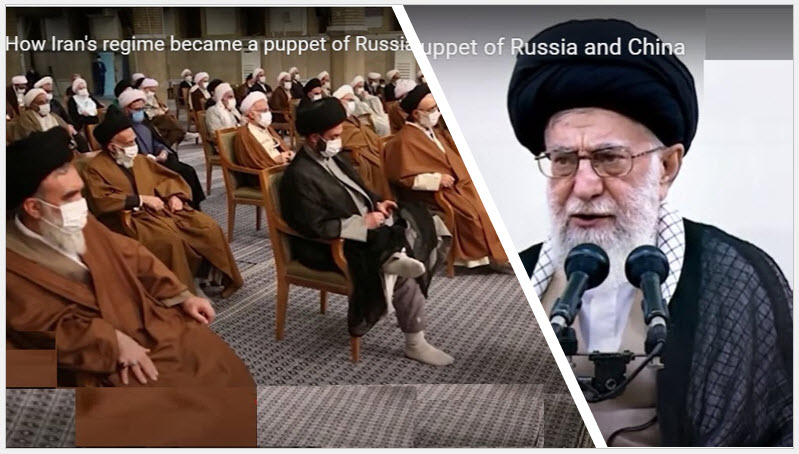
Khamenei couldn't keep his cool and rushed to the scene on Tuesday to warn his forces about the regime's arch-enemy, the MEK.
Khamenei couldn’t keep his cool and rushed to the scene on Tuesday to warn his forces about the regime’s arch-enemy, the MEK.


Khamenei speaks of his regime’s failures and shortcomings in airing propaganda against the MEK, despite the fact that over the last four decades, the regime has used all of its resources to tarnish the MEK’s image, attempting to portray the viable alternative as a “fringe grouplet” with “no popular support.”

Furthermore, religious fascism has unleashed a campaign of brutal oppression, murdering, imprisoning, and torturing tens of thousands of MEK members and supporters. In just a few months during the summer of 1988, 30,000 political prisoners, mostly MEK members, were hanged. According to the regime’s judiciary, even the most tenuous ties to the MEK are punishable by death.

Nonetheless, Khamenei’s efforts have failed, as more youth are joining the MEK’s Resistance Units Network, according to regime officials. Furthermore, Iranians from all walks of life have praised the Iranian Resistance’s strategy to destabilize the regime and establish a democratic state.

The regime’s recent hysterical reactions to the Iranian opposition’s advances both inside and outside Iran reveal the true face of a vulnerable and moribund system that has lost its balance as a result of the nationwide uprising and the Iranian Resistance’s leading role despite Tehran’s efforts to quell protests.


MEK Iran (follow us on Twitter and Facebook), Maryam Rajavi’s on her siteTwitter & Facebook, NCRI  (Twitter & Facebook), and People’s Mojahedin Organization of Iran – MEK IRAN – YouTub
Iran Nationwide Uprising – Day 98

The people of Bivaran in Sardasht chanted “Death to Khamenei” during the 40th-day ceremony of Himan Hamzeh.


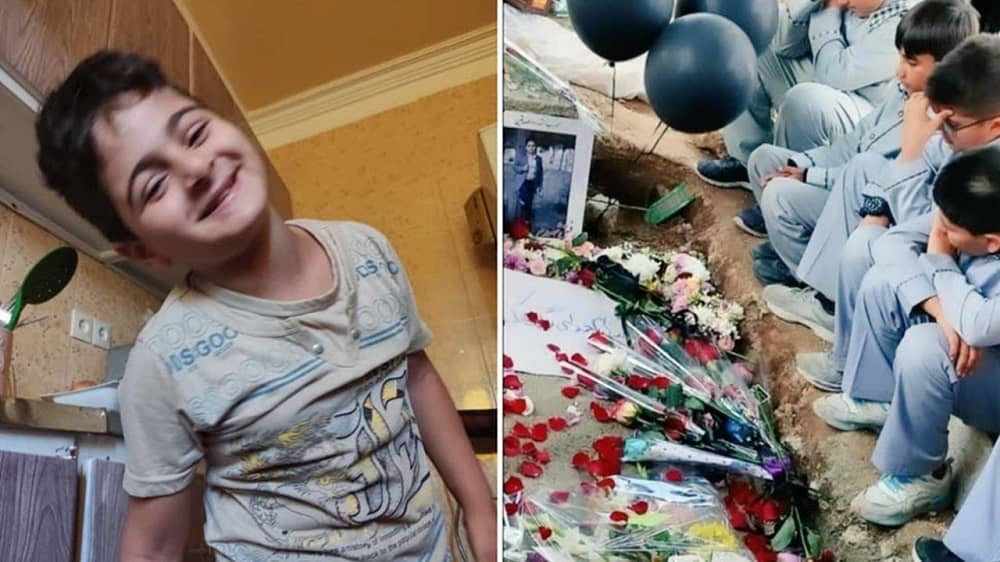
On Thursday, December 22nd, the 98th day of the uprising, the ceremony of the 40th day of martyrdom of Artin Rahmani was held in Izeh. The ceremony was attended by a large crowd chanting anti-regime slogans such as, “Death to Khamenei” “This year, is a year of sacrifice, Seyyed Ali (Khamenei) will be overthrown.” and “Political prisoners must be released.” The ceremony turned into an angry demonstration against the regime. In Karaj, the 40th-day ceremony of Abbas Shafiei was attended by local residents and friends.


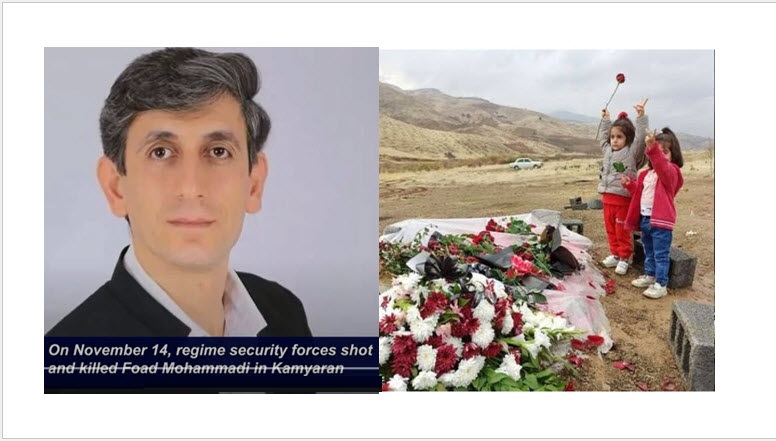
In Kamyaran, the 40th-day ceremony for Fuad Mohammadi and Borhan Karami was attended by a large number of people chanting “We pledge to the blood of our comrades  we will stand until the end”


In the Behesht Mohammadi cemetery in Sanandaj, the 40th-day ceremonies of Zanyarullah Moradi, Isa Biglari, Aram Habibi, and Hamid Goli were attended by a large crowd chanting “Martyr never dies” and “Political prisoners must be released”. Memorial services were held in Dehdasht for the martyr Mehrdad Behnam Asl; in Izeh for Hamed Selahshur; in  Semirom of Isfahan for the 40th day of martyrdom of Murad Bahramian. In Mashhad, the suppressive agents did not allow people to lay flowers on the grave site of martyr Majidreza Rahnavard.


On Thursday morning and evening, defiant youths destroyed the regime’s surveillance cameras on the Yadgar Highway in Tehran; attacked the Basij base in Mehrshahr of Karaj with Molotov cocktails; and in Rasht, set fire to a large banner depicting images of Ruhollah Khomeini and Ali Khamenei in Sardar Jangal Stadium.

On Thursday evening in Tehran, in Sadeghieh neighborhood, Kashani Blvd., Jordan district, Darband, and Tehran, protesters were chanting “Death to Khamenei” and “We pledge to the blood of our comrades – we will stand until the end.” In Semirom of Isfahan, youth held a nightly demonstration chanting “Death to Khamenei, damn with Khomeini” and “We pledge to the blood of our comrades – we will stand until the end.” The youths from Bukan honored the memory of the martyrs by lighting a fire next to the graves of the martyrs.


MEK Iran (follow us on Twitter and Facebook), Maryam Rajavi’s on her siteTwitter & Facebook, NCRI  (Twitter & Facebook), and People’s Mojahedin Organization of Iran – MEK IRAN – YouTub


Iran’s national demand for freedom and democracy goes beyond generations

Since the protests began in September, Iran's clerical regime has tried a variety of strategies to counter the growing nationwide wave of dissent.
Since the protests began in September, Iran’s clerical regime has tried a variety of strategies to counter the growing nationwide wave of dissent.


As the countrywide uprising in Iran enters its fourth month, citizens from all walks of life are calling for significant change. While many people attribute the protests to the country’s Generation Z, an in-depth examination suggests that the national demand for freedom and democracy transcends generations.