Home Blog Page 115

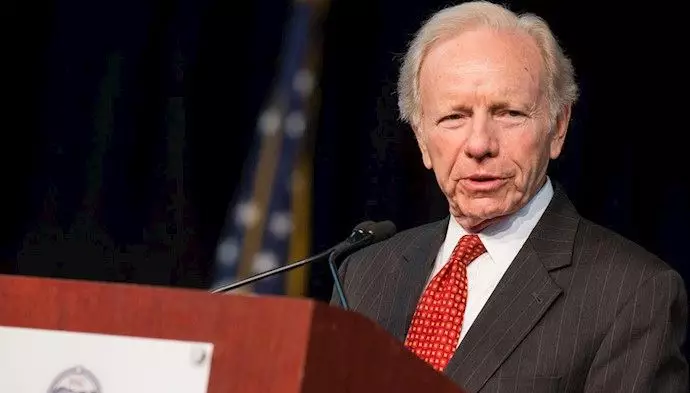
Former US Senator Lieberman expresses support for Iranians and their resistance

Senator Lieberman outlined 13 policy recommendations and points in his remarks for the U.S. government to support the current national uprising of the Iranian people:
Senator Lieberman outlined 13 policy recommendations and points in his remarks for the U.S. government to support the current national uprising of the Iranian people.


On Thursday, December 8, the Organization of Iranian American Communities (OIAC) hosted a bipartisan congressional briefing with a group of US Senators who expressed their unequivocal support for the Iranian people’s uprising. Iranian opposition President-elect Maryam Rajavi of the National Council of Resistance of Iran (NCRI), delivered a video message to the conference.

“The time has come for the US Senate to recognize the Iranian people’s struggle to overthrow the regime and the legitimate right of Iranian youths to fight the IRGC,” Mrs. Rajavi said.


Senator Lieberman outlined 13 policy recommendations and points in his remarks for the U.S. government to support the current national uprising of the Iranian people:

  • First, the administration and Congress have to face reality. It’s impossible to make any trustworthy agreements with the regime in Tehran with their words and deeds. They have shown so clearly that they are implacable enemies of the United States and they are totally deceitful and therefore thoroughly unreliable.
  • Second, President Biden really ought to deliver and address a public address on Iran speaking to the people of Iran, speaking to the Iranian diaspora, speaking to our people, and speaking to the world in full-hearted support of the freedom fighters on the streets of Iran.
  • Third, the US government should ask our E3 allies in Europe to invoke snapback sanctions under Security Council resolution 2231
  • Fourth, the US should continue to work with Starlink and other companies with similar capabilities to provide free and secure internet for the Iranian people.
  • Fifth, the US should create a special channel exempt from US sanctions to disperse frozen Iranian funds in foreign bank accounts to strike workers inside Iran.
  • Sixth, the president and senior members of the administration should hold private and or public meetings with members of the Iranian diaspora, Iranian dissidents, and opposition groups, including this group.
  • Seventh, our Congress should hold public hearings on the protests in Iran as Senator Menendez has already done.
  • Eight, the US should work with encouraging social media platforms. Instagram and Twitter to stop Iran’s cyber offensives in suppressing the voices of Iranian activists through tactics like shadow-banning.
  • Ninth, the US should expel former officials of the Islamic Republic who live in the US and sympathizers and supporters of the Iranian regime.
  • Tenth, the US should encourage our allies and partners to isolate Iran diplomatically. The Europeans still do not do that.
  • Eleventh, US and our allies in Europe should pursue multilateral sanctions against Iran’s most senior leadership, including the Supreme leader and Raisi, making use of our respective Magnitsky ACT authorities.
  • Twelfth, the US and Europe should focus on the families of Iranian regime officials who are living in the US, and Europe, revoke their visas and confiscate their assets.
  • And finally, the US government should strictly enforce our sanctions that are already on the books, including seizing Iranian oil tankers.


“Today, the people of Iran are putting their lives at grave risk in a heroic revolution against their government for the same values that are enshrined in the American Declaration of Independence, there are our values. Will we stand passively by and allow our enemies, sworn enemies in the Iranian government to prevail?” former Connecticut Senator Joseph Lieberman concluded.


MEK Iran (follow us on Twitter and Facebook), Maryam Rajavi’s on her siteTwitter & Facebook, NCRI  (Twitter & Facebook), and People’s Mojahedin Organization of Iran – MEK IRAN – YouTub


Officials in the Iranian regime are the true separatists

A dictatorship is characterized by an unbalanced system of government, social and political unrest, egregious violations of human rights, and a high death toll. And Iran's theocratic dictatorship is no exception.
A dictatorship is characterized by an unbalanced system of government, social and political unrest, egregious violations of human rights, and a high death toll. And Iran’s theocratic dictatorship is no exception.


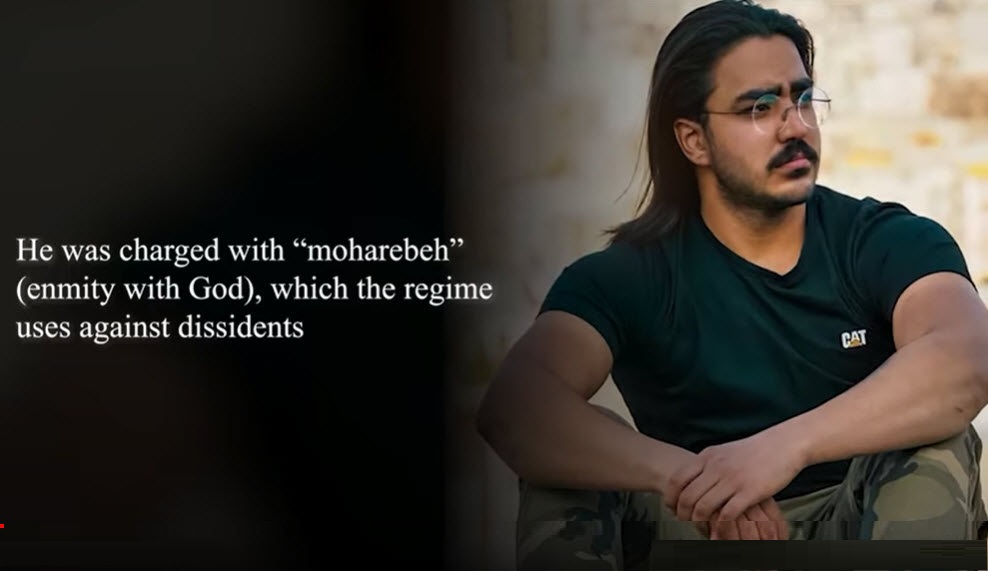
Faced with ongoing protests over the last three months, the regime has used its entire propaganda apparatus to portray freedom-loving Iranians who are fed up with the regime’s form of rule as “rioters” and “thugs.” It portrays them as those fighting God (Mohareb) by confronting the regime, its supreme leader who is God’s representative on earth, and Imam Zaman, the ‘Leader of the Time.’ The verdict is death.

Given the nature of this regime, who is the true separatist, and is it a real threat to Iran? The solution is straightforward. Feeling threatened, it abruptly changed color and became a patriot, raising concerns about the country’s unity and unity.

For example, one of its members said of separatism in an interview with Tasnim on September 29 that, “the government and the media should talk about the reality of this danger for the country. In this context, the government is not the main subject, it is Iran. Iran is the most common issue among us Iranians with all the differences in choices.”


Another pretext used against the people, particularly in Kurdistan and Sistan, and Baluchestan, is that they are “separatists.”
Another pretext used against the people, particularly in Kurdistan and Sistan, and Baluchestan, is that they are “separatists.” “Kurds and Baluchis are brothers who despise the Khamenei”


While it has been demonstrated over the last four decades that this has been most detrimental to the country’s unity, he deceptively wants to divert attention away from the regime and toward a minor issue: Separatism, under the guise of national unity.

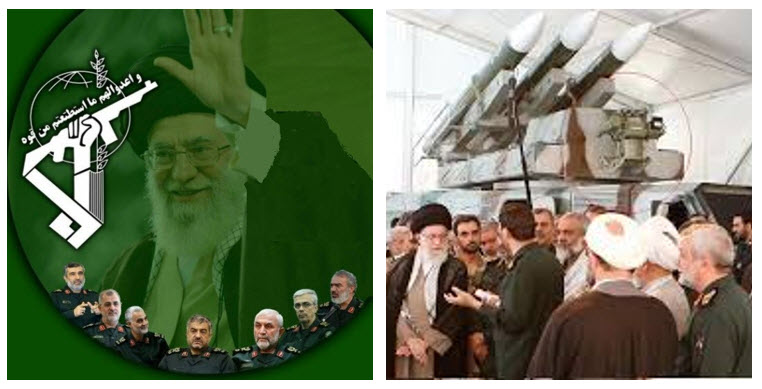
Looking at the logo of its Revolutionary Guards (IRGC), we can clearly see that its last concern is the unity of Iran, even though there is no sign of Iran in it. The IRGC’s name appears in the regime’s constitution but there is no mention of Iran.

In fact, Iran is considered an occupied territory by the regime’s supreme leader, Ali Khamenei. A land that must give up its natural resources and capital in order to build mass destruction weapons to ensure the survival of this vile sovereignty.


Another question is, what kind of disaster would Iran face if it were occupied by a foreign country that has not yet occurred?


They have put the Caspian Sea, the Persian Gulf, and the port of Chabahar up for auction to other countries. They signed a 25-year contract with China that is so damaging to the country that some of its officials have compared it to the infamous Turkmenchay Treaty.

Where does its massive suppression machine come from? Is it anything other than these people’s capitals? Contrary to the regime’s claims, the cities of Zahedan, Khash, Chabahar, Saravan, Zahak, Taftan, and Iranshahr are currently displaying the most beautiful manifestations of patriotism and Iranian ethnic unity.


Which separatists provided free gasoline to Venezuela and Lebanon? Which foreign country hires Arab and Afghan nationals as mercenaries and dispatches them to intervene in Syria, spending $20 to $30 billion to keep Bashar al-Assad in power?


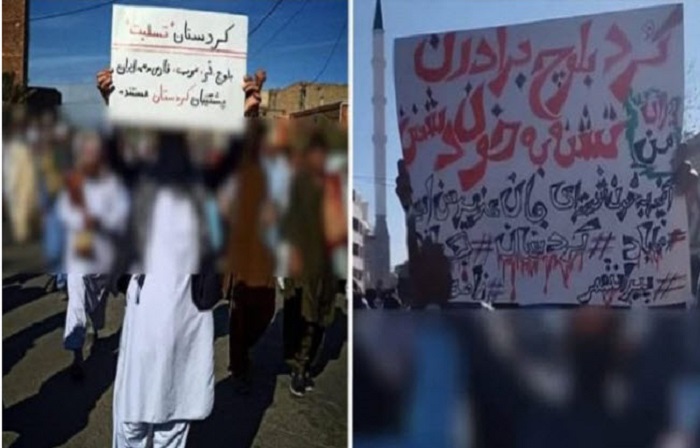
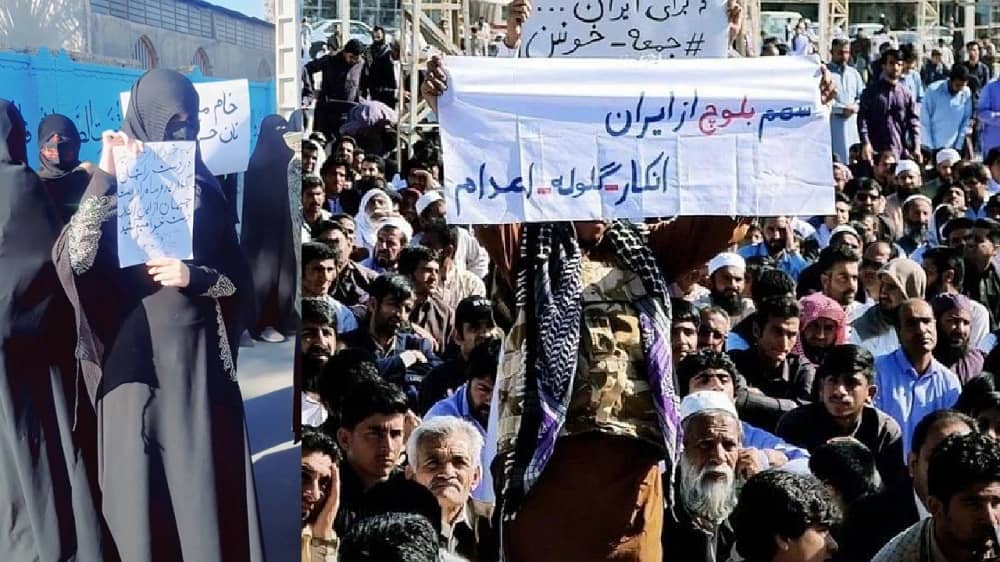
Baluchestans held placards that read, “Our condolences to Kurdistan – Baluch, Lor, Arab, Fars, and all of Iran support Kurdistan.” “Kurdistan is not alone, Baluchestan supports it,” they chanted. “Kurds and Baluchis are brothers who despise the supreme leader,” he adds.

Finally, there is no enemy living on Iran’s outskirts, and there is no animosity between Iranian ethnicities and nationalities. This regime is the only adversary.


MEK Iran (follow us on Twitter and Facebook), Maryam Rajavi’s on her siteTwitter & Facebook, NCRI  (Twitter & Facebook), and People’s Mojahedin Organization of Iran – MEK IRAN – YouTub
World commemorates Int’l Human Rights Day, the Iranian people enter their 86th day of nationwide protests

Anti-regime rallies, gatherings, protests, and demonstrations continue in all forms like never before, despite the recent execution of Mohsen Shekari, who was the first recently apprehended protester to be put to death
Anti-regime rallies, gatherings, protests, and demonstrations continue in all forms like never before, despite the recent execution of Mohsen Shekari, who was the first recently apprehended protester to be put to death.


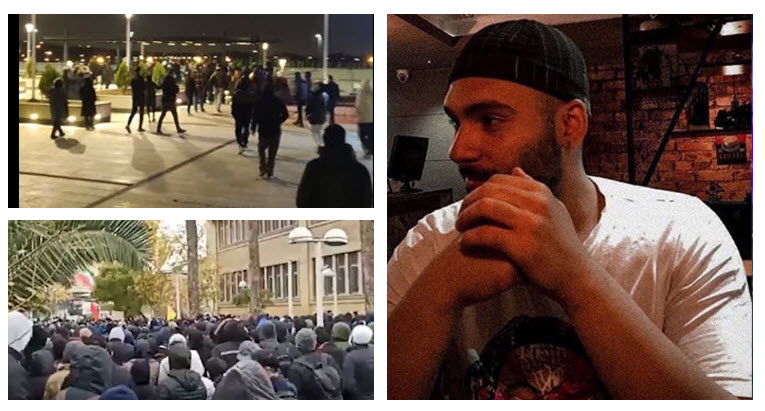
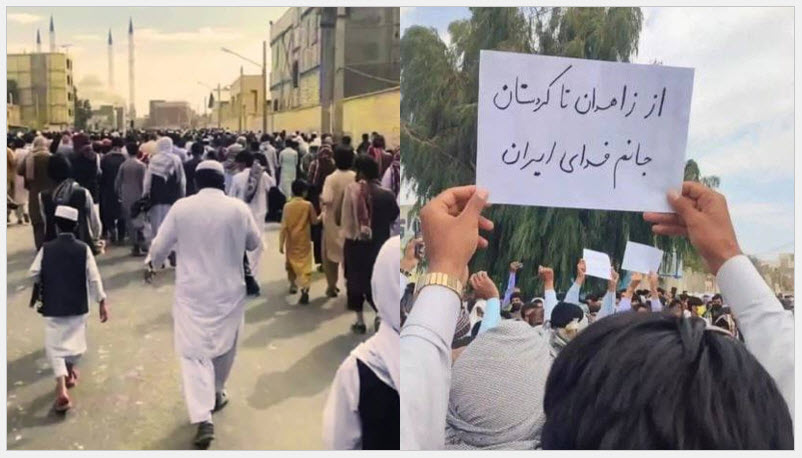
Thousands of protesters are being detained and subjected to torture in the regime’s prisons. Friday saw a well-organized display of anti-regime protests by the brave Baluchi community in the cities of Zahedan, Khash, Pishin, Sar Jangal, and others in southeast Iran’s restive Sistan & Baluchestan Province. Following their weekly Friday prayers, large crowds took to the streets in Zahedan’s provincial capital, chanting slogans such as “Death to Khamenei!” “Death to the dictator!” and “No Baluch-killing state!”

Protesters also showed national solidarity across Iran’s ethnicities by holding signs that read “Kurds, Baluch, Arabs, Azeris are all brothers!” This goes against the regime’s long-standing campaign of trying to sow division across ethnic and religious lines. The people of Iran are united today in one goal: overthrowing the mullahs’ rule.


Protests in Iran have now spread to at least 280 cities. According to sources from the Iranian opposition People’s Mojahedin of Iran (PMOI/MEK), the regime’s forces have killed over 700 people and arrested over 30,000. The MEK has released the names of 565 protesters who were killed.

On Saturday, students at an all-girls technical school demonstrated and chanted anti-regime slogans like “Death to the dictator!” and “Freedom! Freedom! Freedom!” The regime’s security forces eventually attacked them.


Farmers demonstrated in Isfahan once more, demanding that authorities address their concerns about their fair share of water for their lands. Owners of recently closed stores protested outside the local governor’s office in Najafabad, demanding that their stores be reopened.

Storeowners on Tehran’s Manouchehri Street went on strike today, while students at National and Khajeh Nasir Toosi universities skipped classes and held protest rallies.

To prevent protests from taking shape, the regime has sent a large contingent of security forces to Tehran’s Sattarkhan district. Security forces are seen randomly beating and shooting at civilians in videos. Sattarkhan has become a sensitive location for the regime since Thursday, when authorities executed Mohsen Shekari, 23, for protesting in the district.

Despite heavy security, Tehran residents held rallies in a number of locations, including Narmak, Sattarkhan, Naziabad, Jannat Abad, and Shariati Street. Protesters chanted anti-regime slogans and urged fellow citizens to join them in their demonstrations.


A large protest rally was also held in Gohardasht, west of Tehran, where people gathered and chanted slogans condemning the regime’s brutal repression and execution of protesters.

Iranian opposition President-elect Maryam Rajavi of the National Council of Resistance of Iran (NCRI) praised Iran’s Baluchi community for continuing to fight the mullahs’ regime despite ongoing oppression and cruelty.


“I salute my Baluch compatriots, especially my dear sisters and daughters. Marching in the streets, they paid tribute to the executed protester Mohsen Shekari. Their chants of ‘Death to Khamenei!’ echoed the desires of all the people of Iran to overthrow the regime,” she explained.


MEK Iran (follow us on Twitter and Facebook), Maryam Rajavi’s on her siteTwitter & Facebook, NCRI  (Twitter & Facebook), and People’s Mojahedin Organization of Iran – MEK IRAN – YouTub
Maryam Rajavi: Declaration of Protests and National Mourning Over Executions of Majidreza Rahnavard

Khamenei tries to save his falling regime, but he only intensifies the people’s anger and hatred
Khamenei tries to save his falling regime, but he only intensifies the people’s anger and hatred.


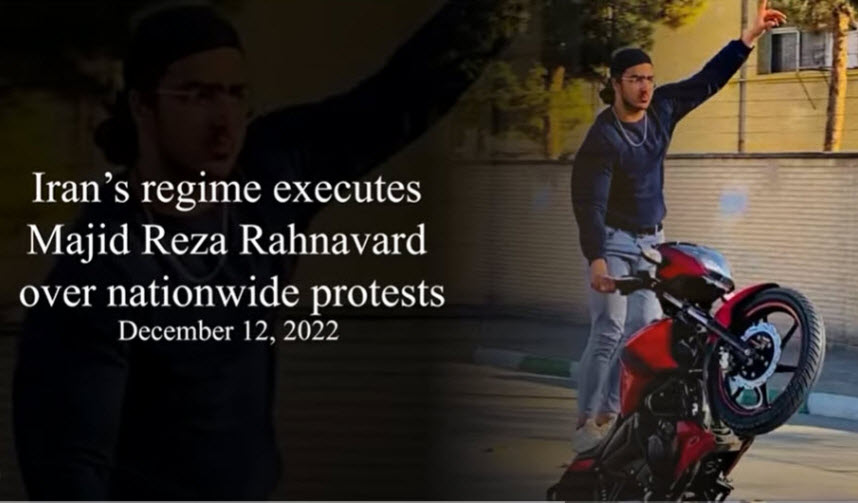
 The regime’s mercenaries publicly executed Majidreza Rahnavard, an uprising detainee, less than three weeks after his arrest in Mashhad. Even afraid of his lifeless body, they buried him secretly and even without the knowledge and presence of his family. Majidreza was severely tortured after his arrest and his arm was broken.

Ali Khamenei, the mullahs’ regime’s criminal leader, shed the blood of another brave Iranian youth this morning, Monday, December 12.


On the occasion of the martyrdom of Majidreza Rahnavard and the seventh day of the execution of Mohsen Shekari, Mrs. Maryam Rajavi, the President-elect of the National Council of Resistance of Iran (NCRI) declared protests and national mourning. She added that Khamenei tries to save his falling regime with these heinous crimes. He is trying in vain to save himself from the anger and hatred of 85 million Iranians; rather, he only accelerates the inevitable fall of the religious dictatorship.

Mrs. Rajavi added that the United Nations, the Security Council, the European Union, and its member states should take effective and practical measures against the religious fascism ruling Iran to stop executions and killings.

Verbal positions are not enough, the embassies of this regime must be shut down, the Ministry of Intelligence (MOIS) and the IRGC must be placed on the terrorist list, and the mercenaries of the MOIS and IRGC must be expelled. Dealing and interacting with a regime that is a disgrace to contemporary humanity is trampling human rights values.


MEK Iran (follow us on Twitter and Facebook), Maryam Rajavi’s on her siteTwitter & Facebook, NCRI  (Twitter & Facebook), and People’s Mojahedin Organization of Iran – MEK IRAN – YouTub
First political prisoner executed for taking part in the Iranian uprising

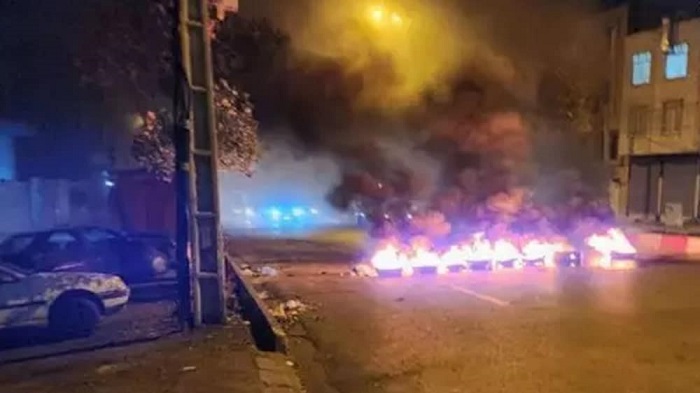
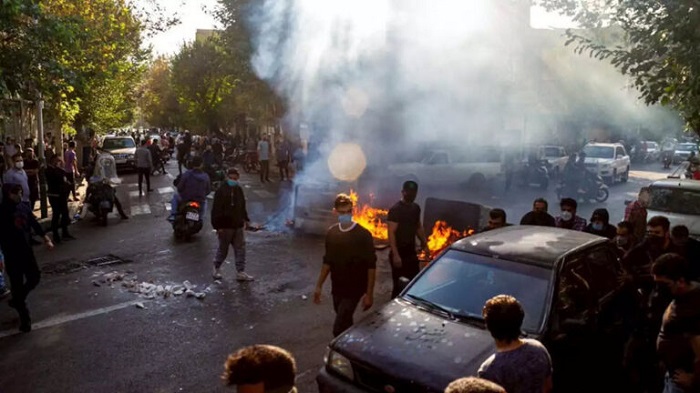
A few hours after Mohsen's martyrdom on December 8, the Iranian people reacted quickly by continuing their protests. Defiant youth clashed with security forces on Satarkhan Street, where Mohsen was arrested.
A few hours after Mohsen’s martyrdom on December 8, the Iranian people reacted quickly by continuing their protests. Defiant youth clashed with security forces on Satarkhan Street, where Mohsen was arrested.


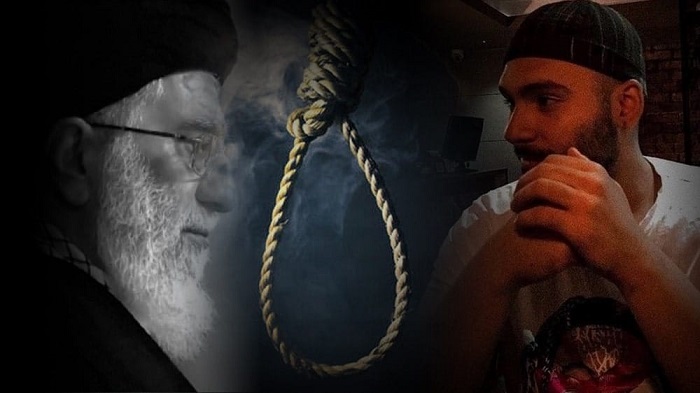
On the eve of International Human Rights Day, Iran’s genocidal regime executed Mohsen Shekari, a young arrested protester, on charges of “Moharebeh,” or waging war on God, for blocking the road and setting fire to a trash can. Mohsen and a dozen other Iranian uprising arrestees were sentenced to death after weeks of torture for simply demanding freedom and democracy.

Tehran begins hanging protesters: Mohsen Shekari reportedly executed by regime’s Judiciary

Authorities hanged Mohsen Shekari, 23, this morning, according to the regime's Judiciary Mizan news agency. Shekari is one of 40 detained citizens facing Moharebeh (waging war against God) charges.

Authorities hanged Mohsen Shekari, 23, this morning, according to the regime's Judiciary Mizan news agency. Shekari is one of 40 detained citizens facing Moharebeh (waging war against God) charges.


According to rights activists, “judge” Amuzadeh issued Mohsen Shekari’s death sentence within 18 days. Behruz Hassani Etemad was also identified as the Tehran prosecutor’s representative.

“Mohsen Shekari, a ‘rioter’ who blocked Tehran’s Sattarkhan street on September 25 and injured one of the security agents, was executed this morning,” Mizan wrote.

The execution comes as other detainees face the death penalty for their roles in the protests that erupted in the aftermath of Mahsa Amini’s heinous death in police custody in mid-September. Observers believe that this wave of protests is the regime’s most serious challenge since 1979.


Notably, after more than three months, the regime has yet to quell protests. Protests in Iran have to this day expanded to at least 280 cities. Over 700 people have been killed and more than 30,000 are arrested by the regime’s forces, according to sources of the Iranian opposition People’s Mojahedin of Iran (PMOI/MEK). The names of 565 killed protesters have been published by the MEK.

“It’s no longer protests; it’s a revolution,” protesters chant alongside other slogans against Supreme Leader Ali Khamenei and the Revolutionary Guards, demonstrating their determination to destabilize the theocracy.


“We are hating [the regime officials] and what they represent,” another citizen wrote.
“We are hating [this regime ] and what they represent,” another citizen said after Mohsen was executed.

According to activists, this is the regime’s final tool for intimidating protesters. However, it inflamed public rage and hatred for the entire regime. “How can you kill a young man for blocking a street while refusing to prosecute those responsible for the deaths of hundreds of citizens in Zahedan?” referring to the regime’s September 30 massacre of worshippers in Zahedan.


“We will turn the streets into hell for [regime forces] today,” another one posted. “This kid sacrificed his life for a better future for all of us.” 
“We will turn the streets into hell for [regime forces] ” another one posted. “This kid sacrificed his life for a better future for all of us.”
Iranian opposition coalition National Council of Resistance of Iran (NCRI), strongly condemned the criminal execution. “This crime demonstrates the regime’s fear in the face of the uprising; youths will not go unpunished,” said NCRI President-elect Maryam Rajavi. “International call for regime embassies to be closed, diplomats, Revolutionary Guards, and Intelligence Ministry agents expelled, and regime embassies to be closed.”


MEK Iran (follow us on Twitter and Facebook), Maryam Rajavi’s on her siteTwitter & Facebook, NCRI  (Twitter & Facebook), and People’s Mojahedin Organization of Iran – MEK IRAN – YouTub
Hamid and Farzaneh Ghareh Hassanlou sentenced to death and exile for participating in peaceful protests

Hamid and Farzaneh Ghareh Hassanlou were found guilty of participating in the uprising.


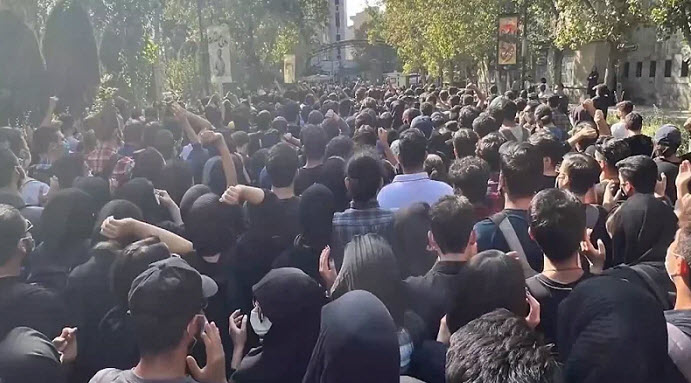
On December 7, the climax of a three-day campaign of intensified protests was a massive nightly rally of thousands of Tehran residents towards Azadi (Freedom) Square. Iranian women and men demonstrated even more determination to destabilize the clerical regime and bring about regime change.

Iranian students staged protests, sit-ins, and strikes at dozens of universities across the country. Security forces detained a number of student protesters at Tehran University, Khajeh Nassir University in Tehran, and Ferdowsi University in Mashhad.

At Tehran University, Amir Kabir University in Tehran, and Ferdowsi University in Mashhad, members of the Bassij and university security forces clashed with student protesters. They used batons and sticks to attack the student protesters, injuring some of them.


The bazaars of Tehran and all major cities across the country went on strike for the third day in a row in solidarity with the Iranian uprising. Simultaneously, in addition to deploying tens of thousands of IRGC guards, Bassij members, and plainclothes to contain and suppress the protests, the mullahs are attempting to put an end to the protests by issuing death sentences to those who have been arrested.

On December 7, the Iranian judiciary sentenced five protesters to death and sentenced another 11, including three 17-year-olds, to long prison terms. The sixteen defendants are accused of killing a member of the paramilitary Bassij force, Ruhollah Ajamian, who had killed two protesters, Nima Nouri and Mehran Shekari, during protests on November 3 during Hadis Najafi’s 40-day memorial in Karaj.

The Judiciary’s spokesman, Massoud Setayeshi, stated that the verdicts were a preventive measure intended to teach the protesters a lesson.


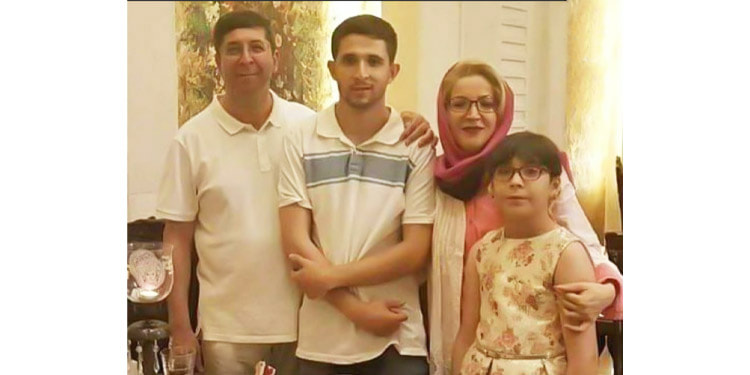
One of the five sentenced to death was radiologist Dr. Hamid Ghareh Hassanlou, 53. His wife, the lab technician Farzaneh Ghareh Hassanlou, was sentenced to 25 years in a remote location, Ahvaz, with no contact with anyone.

According to some social media reports, he was informed of his verdict while in the hospital. Others claim he was taken to court in a hospital gown to testify. He stripped naked to show the presiding judge the scars of torture used to extract false confessions.

Dr. Ghareh Hassanlou and his wife, Farzaneh, are well-known for their charitable work with the poor and child laborers. They also assisted in the construction of schools in southern Iran.


Under torture, interrogators broke four of Dr. Hamid Ghareh Hassanlou's ribs, piercing his lung. Hamid Ghareh Hassanlou had surgery just before the trial.
Under torture, interrogators broke four of Dr. Hamid Ghareh Hassanlou’s ribs, piercing his lung. Hamid Ghareh Hassanlou had surgery just before the trial.


The NCRI Women’s Committee urges international human rights organizations, including the UN Human Rights Council and the Special Rapporteur on Iran, to take immediate action to end Iran’s unfair and illegal treatment of peaceful protesters, including women.


MEK Iran (follow us on Twitter and Facebook), Maryam Rajavi’s on her siteTwitter & Facebook, NCRI  (Twitter & Facebook), and People’s Mojahedin Organization of Iran – MEK IRAN – YouTub
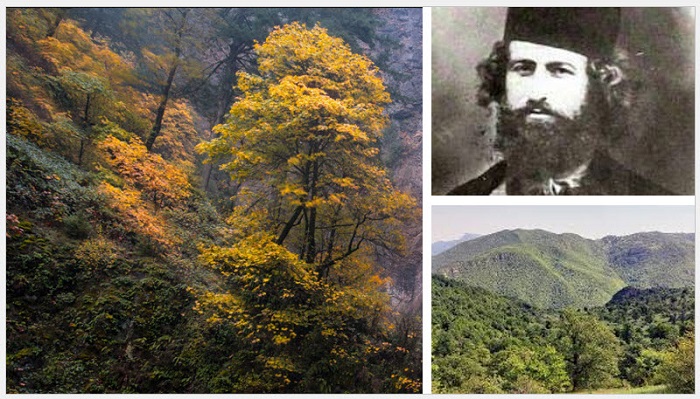
Iran’s most prominent freedom fighter: Mirza Kuchak Khan

Mirza Kuchak Khan-e Jangali, one of Iran's most prominent freedom fighters, died on December 2, 1921.
Mirza Kuchak Khan-e Jangali, one of Iran’s most prominent freedom fighters, died on December 2, 1921.


Historians consider him the country’s first president; however, his government was short-lived, and Reza Khan suppressed him with the help of then-British and -Russian states. Mirza established a new “Mojahedin of the forest” movement in collaboration with his allies in Tehran and northern areas. They began their operations by forcing Russian invaders to flee Gilan province.

Iran: Growing concern about the possibility of arbitrary death penalties

There is no sign of those protests losing momentum, and reports of fatal shootings and beatings, as well as death sentences that have been issued or may be issued in the near future, continue to leak to international media.

There is no sign of those protests losing momentum, and reports of fatal shootings and beatings, as well as death sentences that have been issued or may be issued in the near future, continue to leak to international media.


It has been roughly three weeks since the Iranian regime’s judiciary issued its first death sentence in connection with the nationwide uprising that erupted following the death of 22-year-old Mahsa Amini at the hands of Tehran’s infamous “morality police.”


Iran Nationwide Uprising, Nightly Protests – Day 83

Suppressive forces attacked people in different places and opened fire on them using pellet guns.

Suppressive forces attacked people in different places and opened fire on them using pellet guns.


On Wednesday, December 7, nightly protests continued in Tehran and other cities. People marched towards Azadi Square in Tehran, which they had started at noon and continued until late at night. Despite the heavy presence of State Security Force (SSF) and plainclothes agents, people chanted “Death to Khamenei” and “Death to the dictator,” and cars honked on Azadi Street in support of the protesters.