Home Blog Page 125

Iranian regime officials are becoming increasingly concerned about women resistance

Women in Iran have been increasingly defying the regime's repressive modesty laws in recent years.
Women in Iran have been increasingly defying the regime’s repressive modesty laws in recent years.


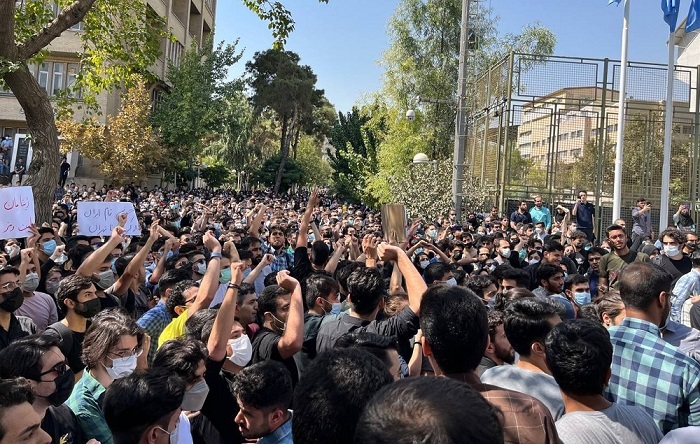
The death of Mahsa Amini, a young Iranian woman who was arrested and beaten by the Iranian regime’s repressive morality police, has enraged the Iranian people and sparked a wave of protests in recent days. In their protests, the people targeted the regime’s supreme leader, Ali Khamenei.
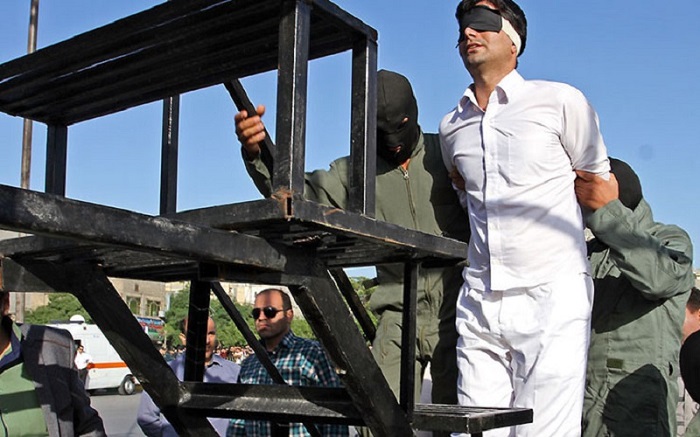
 

Iran: Regime’s increasing use of death penalty has sparked international outrage

The regime's dramatic increase in executions over the past few weeks was the second crime. The regime alone has executed 57 prisoners in the last 20 days.

The regime's dramatic increase in executions over the past few weeks was the second crime. The regime alone has executed 57 prisoners in the last 20 days.


This week in Iran saw two significant human rights crimes. One of them was the Iranian regime’s decision to build walls around the Khavaran mass graves of the 1988 Massacre victims. Amnesty International claimed on September 13 that the regime is “concealing the mass graves of the victims of the 1988 prison massacre.” Amnesty asked UN member nations to put pressure on the regime to stop concealing the mass graves of the massacre victims from the public.

Iran: Mahsa Amini’s death for “improper veiling” sparks domestic and international outrage

Mahsa fell victim to Tehran's brutal morality police. She came from the Kurdish ethnic minority in the northern Iranian town of Saqqez.
Mahsa fell victim to Tehran’s brutal morality police. She came from the Kurdish ethnic minority in the northern Iranian town of Saqqez.


Iran. The tragic death of a 22-year-old woman in Tehran has been making headlines since September 16, and once again, stories other than the typical nuclear-terrorism saga have provided information about the unrest in the country.

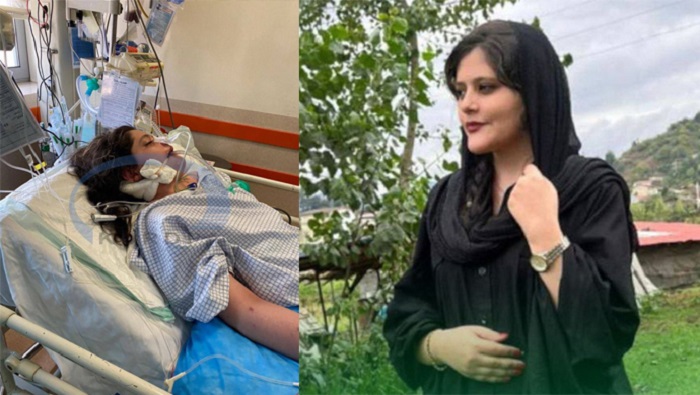
Mahsa Amini brutally killed by Iran’s “morality police” for the crime of “improper hijab”

Mahsa Amini, a 22-year-old woman killed by the Iranian regime’s so-called “morality police” for the “crime” of “improper hijab”

Mahsa (Zhina) Amini, a 22-year-old woman from Saqqez in Kurdistan Province, western Iran, was arrested by the regime’s so-called “Guidance Patrol” on Tuesday, September 13, at the entry of the Haqqani Highway and transferred to the “Moral Security” agency.

Iranians condemn all across Europe and New York the regime’s murder of Mahsa Amini

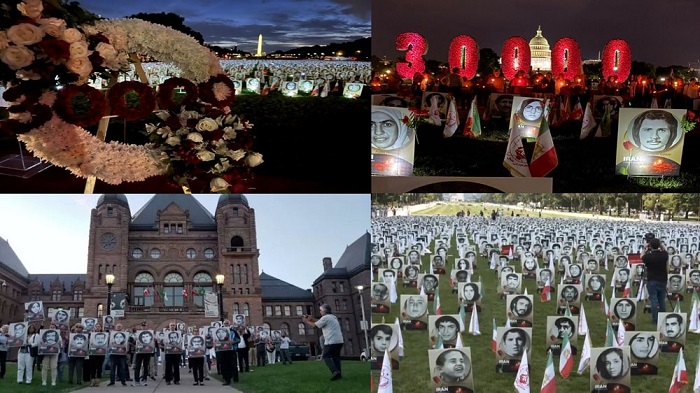
Freedom loving Iranians and supporters of the Iranian opposition PMOIMEK rallying in New York and condemning the murder of Mahsa Amini by regime ruling Iran – September 18, 2022
Freedom-loving Iranians and supporters of the Iranian opposition PMOIMEK rallied in New York and condemned the murder of Mahsa Amini by the regime ruling Iran – on September 18, 2022.

Iranians who value freedom and People’s Mojahedin of Iran (PMOI/MEK) members demonstrated to denounce Mahsa Amini’s death on Saturday in a number of European cities, New York, and Toronto.


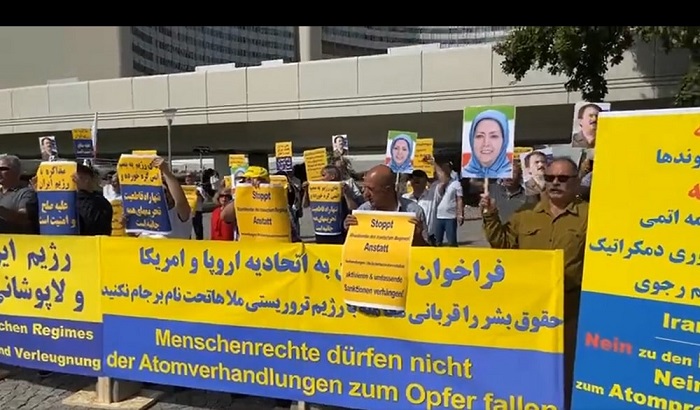
MEK supporters demonstrate in Vienna calling for a firm policy against Tehran

Subsequent revelations revealed by the (PMOI/MEK) the extent to which the regime's clandestine nuclear weapons work had progressed.
Subsequent revelations revealed by the (PMOI/MEK) the extent to which the regime’s clandestine nuclear weapons work had progressed.


In 1983, the Iranian regime began its pursuit of nuclear weapons. The most significant exposure made by People’s Mojahedin of Iran (PMOI/MEK) sources inside Iran that sparked international scrutiny occurred on August 14, 2002, when intelligence reports from MEK sources inside Iran revealed the Natanz uranium enrichment site and the Arak heavy water facility.

Iran: Regime’s nuclear deadlock intensifies

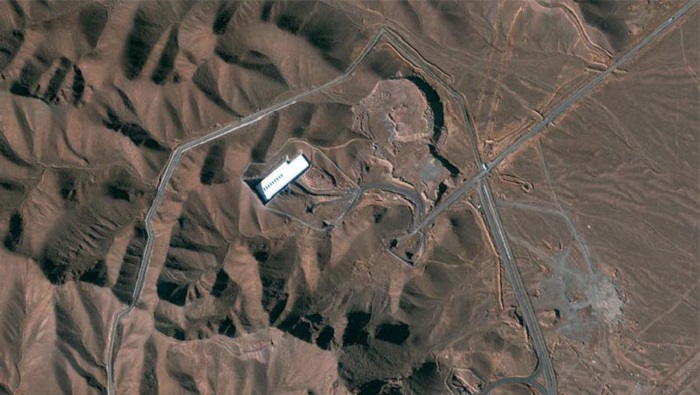
The Fordo site in Iran houses a uranium enrichment site deep inside the heart of a mountain.
The Fordo site in Iran houses a uranium enrichment site deep inside the heart of a mountain


The possible military dimension (PMD) of the Iranian regime’s already highly contentious nuclear weapons program remains unresolved and a source of ongoing concern for Tehran’s mullahs.

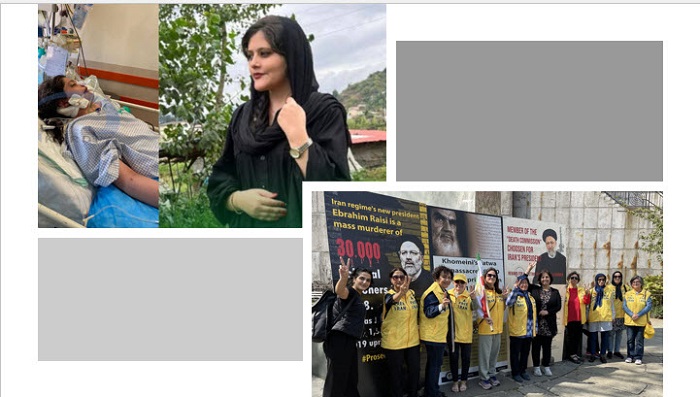
Iranian protesters warn the UN General Assembly not to welcome mass murderer President Raisi

Since it was revealed that Raisi might attend the 77th session of the United Nations General Assembly, supporters of Iran's leading opposition, the People’s Mojahedin of Iran (PMOI/MEK), have been calling on the US government to deny him a visa.
Since it was revealed that Raisi might attend the 77th session of the United Nations General Assembly, supporters of Iran’s leading opposition, the People’s Mojahedin of Iran (PMOI/MEK), have been calling on the US government to deny him a visa.


In the final week of August alone, Iranian communities held rallies in at least six countries to draw attention to unresolved crimes against humanity and to condemn what opposition activists have dubbed Western “appeasement” strategies toward Iran’s regime.

Iranians will overthrow the mullah’s regime just as they did with the Shah’s reign

On September 8, 1978, the Shah committed an unprecedented crime against thousands of protesters in Tehran, paving the way for further anti-regime protests that effectively ended his dynasty in Iran.


On September 8, 1978, the official number of victims was never declared by the Shah. However, according to field reports, between 100 and 205 citizens were murdered in order to keep Mohammad Reza Pahlavi in power.

Iranian regime ramps up repressive measures to prevent social unrest

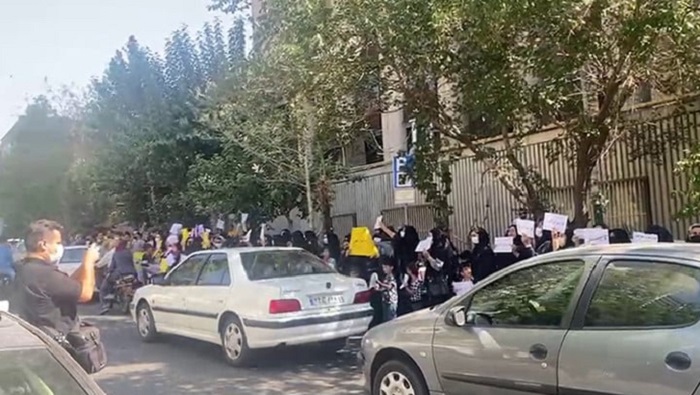
Families of death row inmates protesting outside the regime’s judiciary in Tehran, Iran


Many relatives of death row inmates in Iran protested for the sixth day consecutively outside the regime’s judiciary in Tehran, demanding that all executions be halted. Protesting the regime’s recent wave of executions across the country, mothers, fathers, wives, and children of inmates sentenced to death held placards and chanted “Don’t execute!” and “No to executions!”