Home Blog Page 446

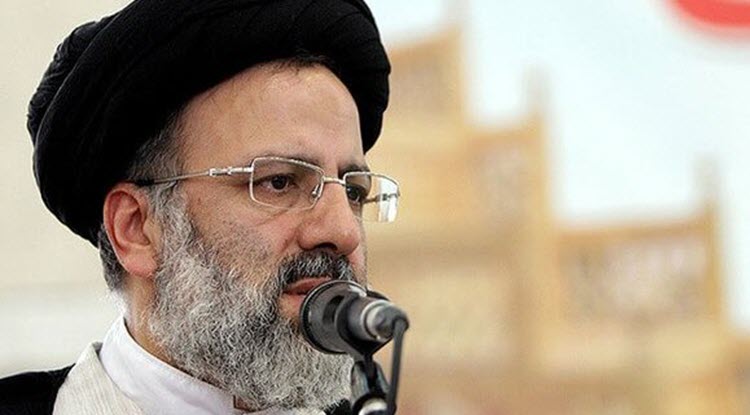
Iran: Presidential Candidate in Charge of Executing Thousands in 1988 Massacre

Ebrahim Raisi is currently a member of the Assembly of Experts, general deputy at the Special Clerical Court and Custodian of Astan Quds Razavi, as reported by Al Arabiya on April 26, 2017. He is a 56-year-old conservative cleric who is relatively unknown to outside of Iran. Custodian of Astan Quds Razavi, the wealthiest charity in the Muslim world, and the organization in charge of Iran’s holiest shrine, Raisi is believed to be being groomed as the frontrunner to be Iran’s next supreme leader.
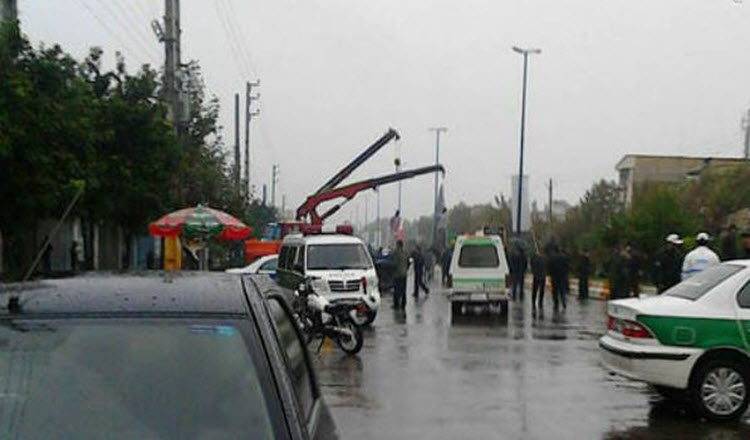
Iran: Executions Continue in Iran

For decades, prisoners in Iran have been under great threat of being mistreated by the agents of the Iranian regime. Execution is a form of punishment that is accepted and favoured by the Iranian authorities and is often used as a way of suppressing the people. 

To intimidate the public, the authorities will often carry out hangings in public where several prisoners are executed together. Children and families are exposed to such scenes.

Supreme Leader of Iran Urges Next President to Rely Less on the West

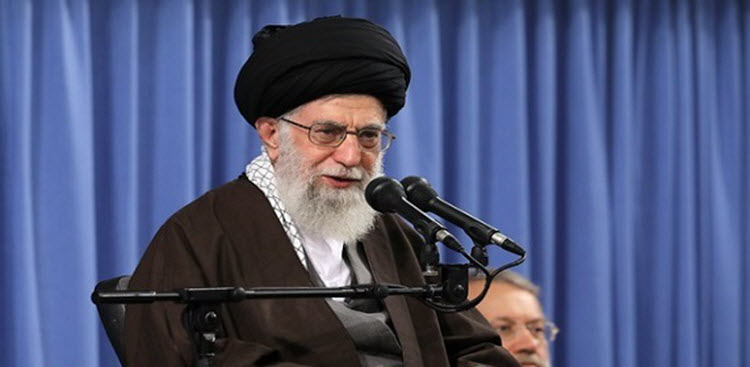
As the 19th May elections are approaching, claims are being made from all factions of the Iranian regime regarding future policies and the future president. The latest comments from Supreme Leader Ali Khamenei are regarding Iran’s relationship with the West. He said on state TV earlier this week: “The candidates should promise to focus on national capabilities and domestic capacities to resolve the economic issues … rather than looking abroad.”

Obama Administration’s Appeasement of the Iranian Regime Goes Further Than Initially Suspected

In January last year, the Obama administration was involved in an act that would open the country up to further manipulation from Iran. It released seven Iranian-born prisoners that had been charged with “sanctions violations or violations of the trade embargo”. In return, Iran released 5 Americans that had been held by Iranian authorities since 2011. 

After the fact, it was discovered that it was not just a prisoner swap that took place. And it was also discovered that the Obama administration’s claims that the Iranian prisoners were accused of violating sanctions were downplayed – the men were actually national-security threats.

Iran at the Centre of Middle East Problems

Before the Second World War, conflicts in the Middle East were caused by issues regarding colonisation. After the war and after the colonisation had finished, conflicts got more and more serious and the blame was pinned on the battle between the western and Soviet camp during the Cold War.

New wars were starting after the collapse of the Soviet Union in the nineties. They started in Somalia, Iraq and Afghanistan, and there was also significant trouble in Eritrea, South Yemen, Algeria and Egypt – all because of political vacuum.

Iran Heading in the Same Direction as North Korea

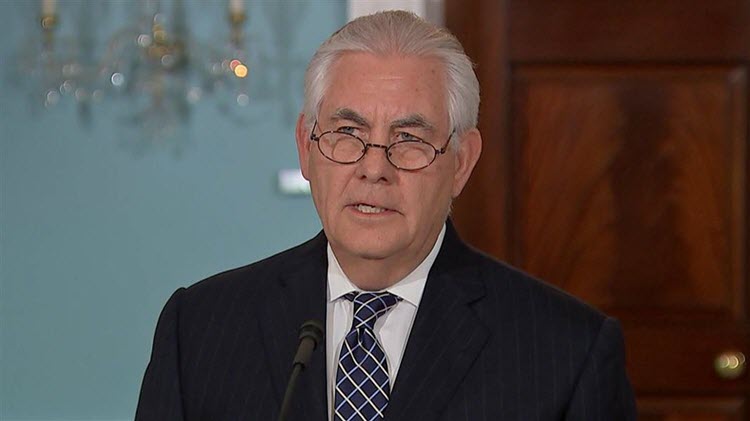
Last week, US Secretary of State Rex Tillerson said that the Joint Comprehensive Plan of Action (JPCOA) was going to be reviewed and condemned Iran’s ongoing violations and nefarious acts. He said that the main objective of the nuclear deal is being ignored and vowed that the Trump administration would not be following in the footsteps of the previous President who let Iran run riot. “The [nuclear deal] fails to achieve the objective of a non-nuclear Iran; it only delays their goal of becoming a nuclear state. The Trump administration has no intention of passing the buck to a future administration on Iran.”

Iran’s Request for Yellowcake Should Be Denied

The Iranian regime is renewing its bid for more uranium. It original request was authorised by President Obama (who spent most of his term appeasing the Iranian regime), but was eventually blocked by the United Kingdom. Now Iran is said to be planning to ask again. 

The United States must declare that it will not provide approval until there is evidence that the regime has not been causing trouble. To do otherwise would be to continue along the lines of President Obama.

Using Jihadists to Counter Threat of Iran Is Not a Valid Option

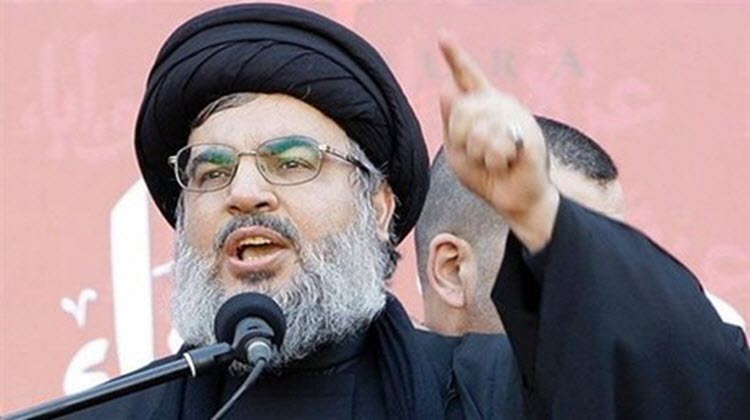
In August 2014, the leader of Iran-backed Hezbollah, Hassan Nasrallah, said that the Islamic State posed a threat to the Middle East. He said that the “monster” is growing and that it does not recognise “Shiites, Sunnis, Christians, or Druze, Yazidis, Arabs, or Kurds”. He said that Arab monarchies were under great threat and declared that the presence of Hezbollah in Syria is primarily to “defend Lebanon, the resistance in Lebanon and all Lebanese”.

Since the beginning of the Syrian civil war, Iran and its proxies have had victory after victory and have been given legitimacy time and time again.

The Iran and Russian Alliance

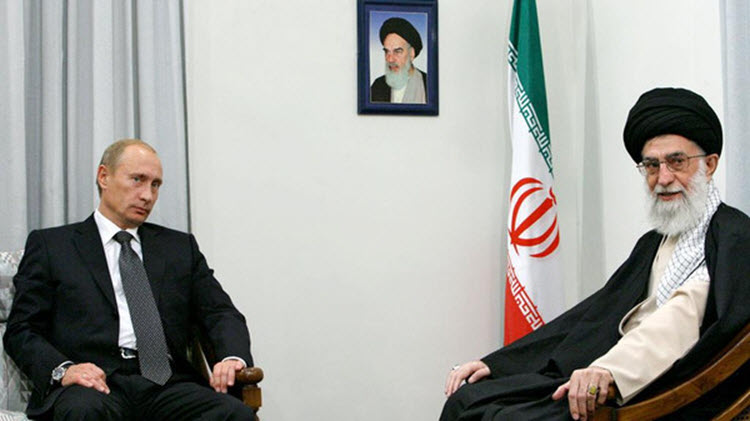
Following the US decision to launch a military strike in Syria, relations between Iran and Russia have been strengthening. The Defence Minister of Iran is expected to go to Russia before the end of April to discuss military cooperation. 

They want their military cooperation to show strength and to deter the US from taking action in the Middle East.

Iran: 1988 Massacre Brought Back Into Focus

The Iranian regime is facing another crisis because of the pressure surrounding the 1988 massacre, in particular the litigation issues and those calling for justice for the victims. 

The text of Khomeini’s decree to the “death commission” has been released.