Tehran has continually claimed that its nuclear program is for peaceful purposes, but at the same time, it denies IAEA inspectors crucial access to its nuclear facilities, which it agreed to in the 2015 nuclear deal with world powers.
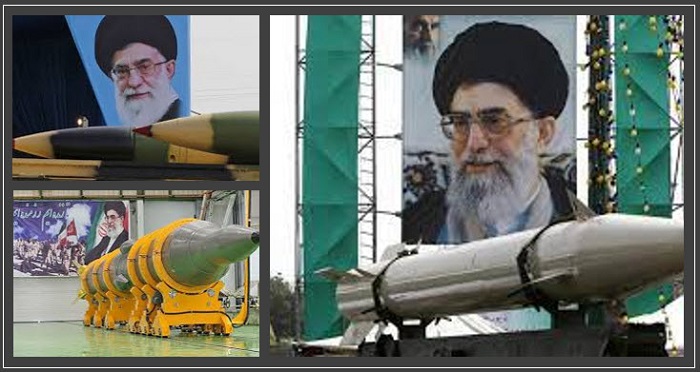
Tehran has continually claimed that its nuclear program is for peaceful purposes, but at the same time, it denies IAEA inspectors crucial access to its nuclear facilities, which it agreed to in the 2015 nuclear deal with world powers.
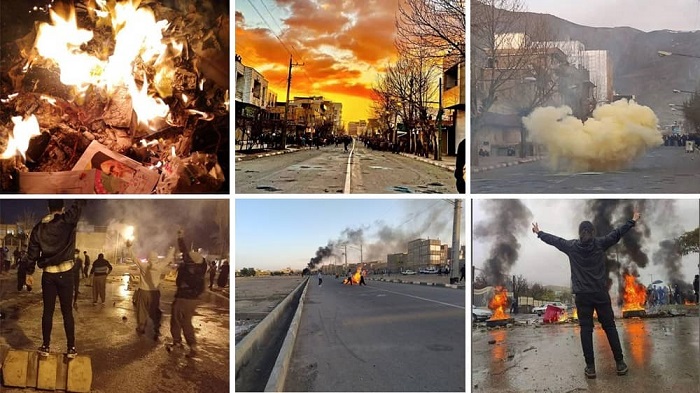
Despite heavy measures imposed by regime authorities to prevent the evolving of these celebrations into protests against the mullahs’ dictatorship, people in Tehran and dozens of other cities and towns took advantage of the occasion to voice their protests and chant slogans against the ruling theocracy.
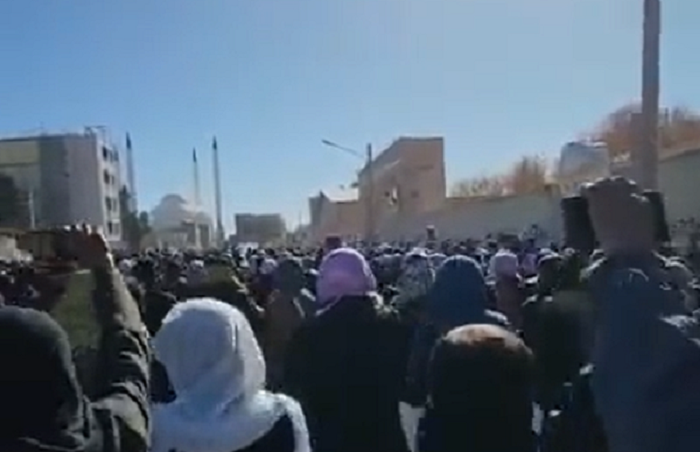
Despite the threat of arrest, abduction, execution, and repression, the brave protesters in the city of Zahedan, the capital of Sistan & Baluchestan Province, continue to rally every week against the dictatorship that has been oppressing the Iranian people for decades.
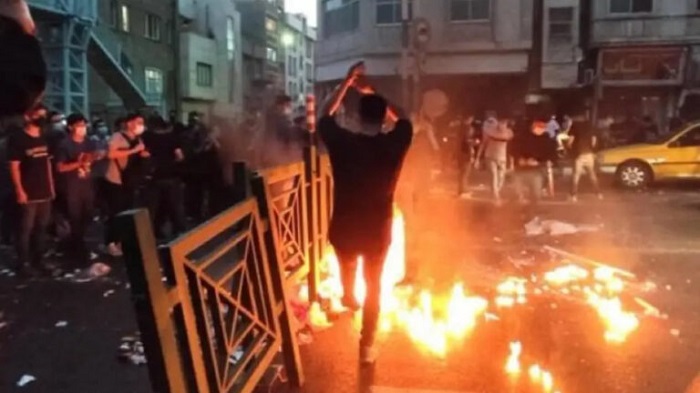
On Tuesday, the country will mark the 180th day of the ongoing uprising, which has seen people take to the streets in cities and towns across Iran to demand their rights, freedom, and democracy.
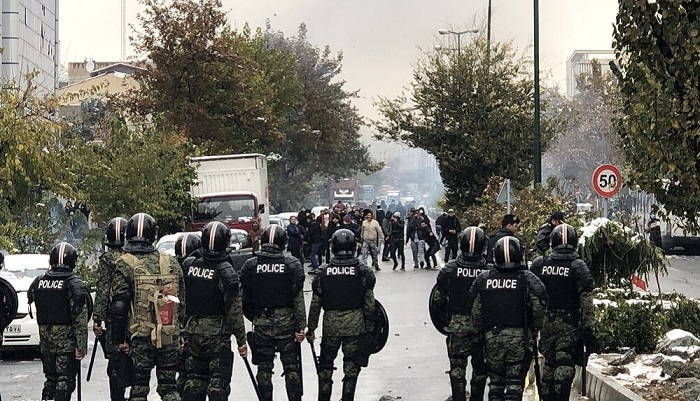
However, the country’s entire security apparatus is designed to confront popular protests, and crackdowns have become the norm. Since the anti-monarchy revolution in 1979, Iran has experienced several major anti-regime protests, but the ruling theocracy has managed to maintain its hold on power through a highly oppressive security apparatus.
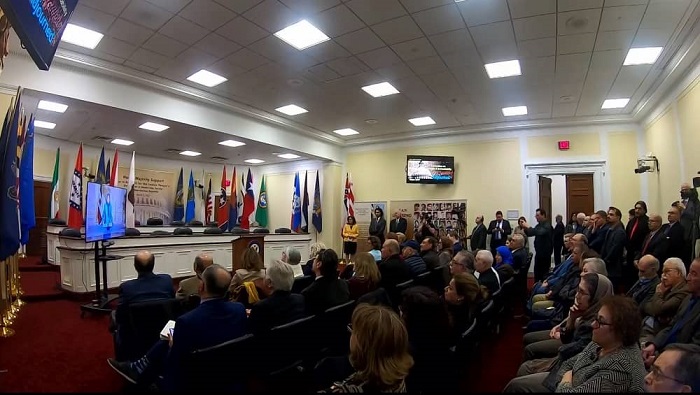
The resolution, which has already gained the support of a House majority within the first 50 days of the 118th Congress, is sponsored by key members of various committees, including Foreign Affairs, Armed Services, Homeland Security, Appropriations, and the Select Committee on Intelligence.
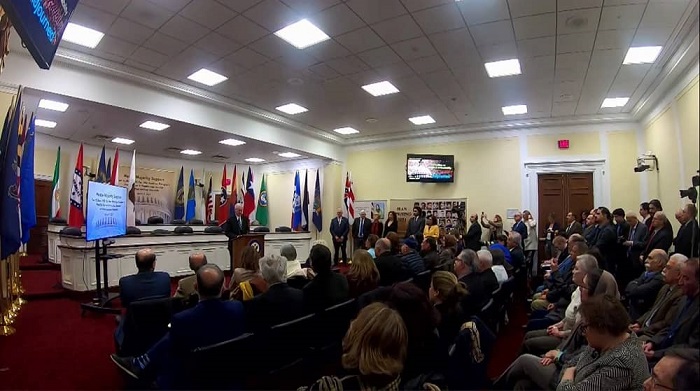
The resolution, known as H.Res.100, has gained the support of a House majority in the first 50 days of the 118th Congress. It is sponsored by key members of the House Committees on Foreign Affairs, Armed Services, Homeland Security, and Appropriations, as well as the Select Committee on Intelligence, and offers a clear path for a new U.S. policy on Iran.
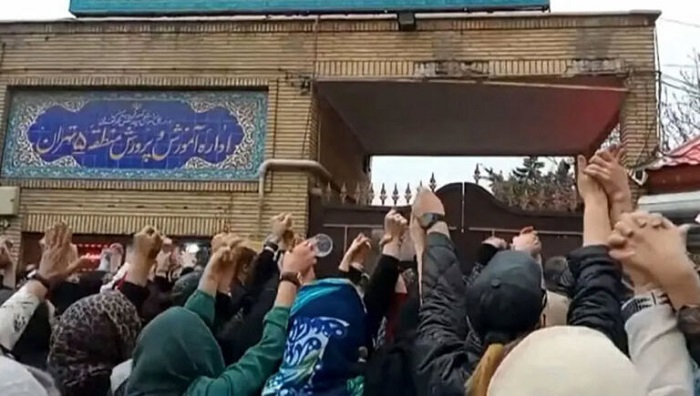
Led by courageous women chanting slogans against the mullahs’ misogynist apparatus, these rallies were reported in Tehran, Rasht, and Khash. Protesters throughout the country are specifically holding Supreme Leader Ali Khamenei responsible for their miseries, while also condemning the oppressive Islamic Revolutionary Guards Corps (IRGC) and paramilitary Basij units, alongside other security units that are on the ground suppressing the peaceful demonstrators.
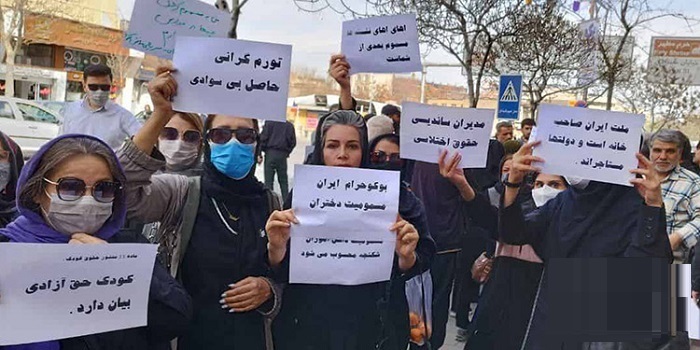
The protests were triggered by another 41 female students in Zahedan who were poisoned as a result of inhaling toxic gases, adding to the ongoing student poisoning crisis in the country.
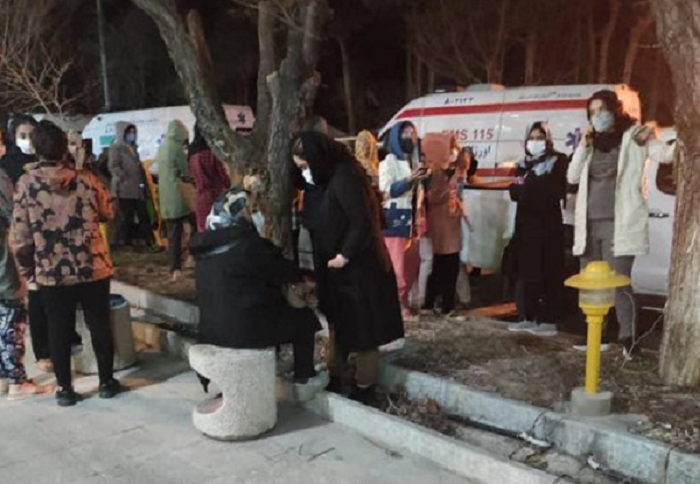
Parents and locals in cities across Iran are accusing regime officials and authorities of failing to prevent these attacks and even facilitating them, leaving hundreds of schoolchildren, particularly girls, suffocating and hospitalized.