Home Blog Page 114

Iran’s use of state executions has only fuelled radicalized protests

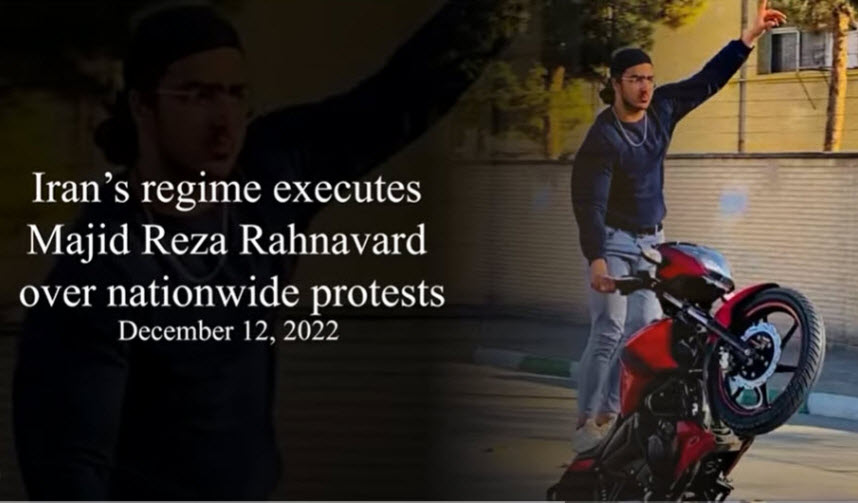
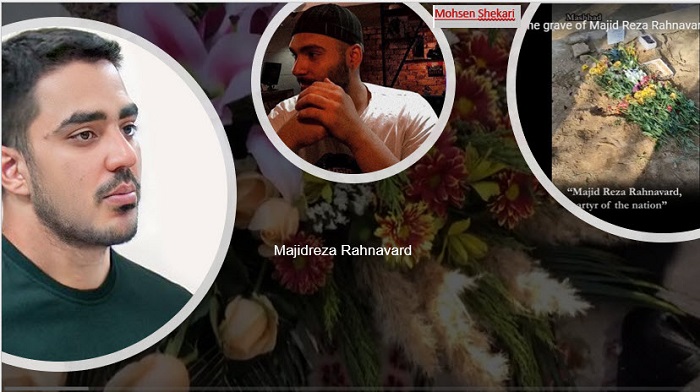
On December 8, the Iranian regime launched the first public execution of Mohsen Shekari on charges of "moharebeh," or "waging war against God." Majidreza Rahnavard was executed on the same charge a few days later, on December 12.
On December 8, the Iranian regime launched the first public execution of Mohsen Shekari on charges of “moharebeh,” or “waging war against God.” Majidreza Rahnavard was executed on the same charge a few days later, on December 12.


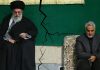
On June 22, just before the start of this round of protests, the regime’s supreme leader, Ali Khamenei, warned the people in a speech that the “God of the 80th is the same God as of 2021,” despite the fact that he was sitting on an erupting volcano.

He is referring to the dark decade in which the regime’s founder, Khomeini, tortured and executed anyone who disagreed with him in order to establish an inhumane, theocratic, and medieval regime. In a chimera, he believed that he and his evil regime could repeat past atrocities, such as the massacre of 30,000 political prisoners in 1988.
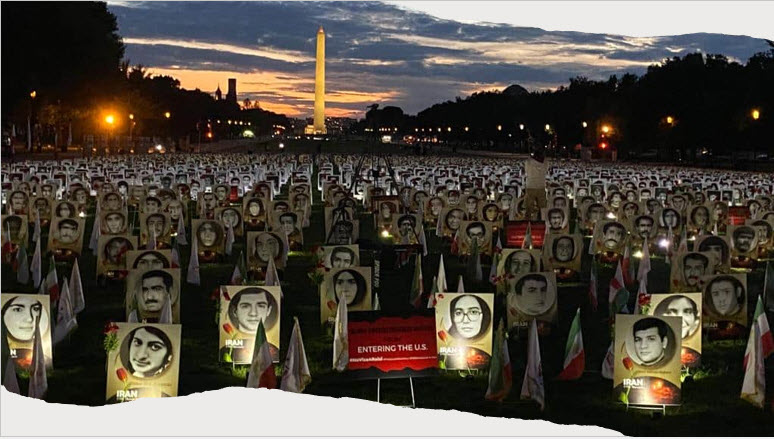
 

In a chimera, he believed that he and his evil regime could repeat past atrocities, such as the massacre of 30,000 political prisoners in 1988.
In a chimera, Khamenei believed that he and his evil regime could repeat past atrocities, such as the massacre of 30,000 political prisoners in 1988.


A former henchman who is now the managing editor of Kayhan, Khamenei’s mouthpiece, expressed his fear and anger toward the people and advised the judiciary that “the judiciary should deal with rioters without fear; it is expected that the judicial system will not be influenced by the atmosphere created by the enemies of the revolution and will implement the Islamic ruling without any worries or fears.”

Then some of the regime’s media like the Jahan News warned that “Shekari is not the first and will be not the last person to be executed because of the recent riots. The judiciary is required by law to sentence all perpetrators of these murders to retribution.”

Some clerics criticized the government, arguing that condemning protesters because of moharebeh is a huge and risky mistake. The debate over this issue reflects a significant schism within the regime’s ruling body. They are criticizing a regime that cannot exist for even a single day without repression and execution.
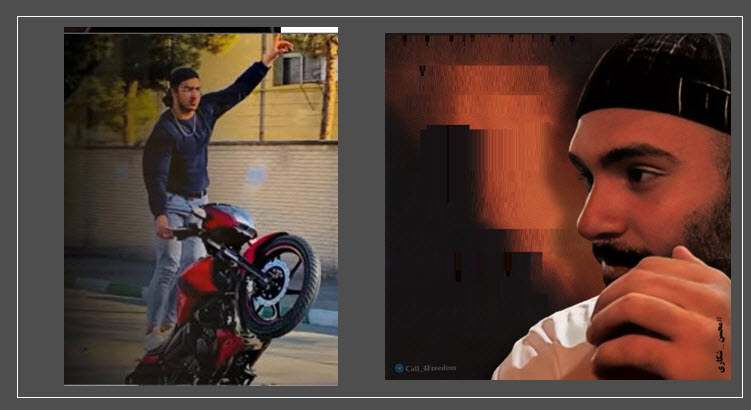
 

The execution of Majidreza Rahnavard fuelled a wave of domestic and international opposition. Even more than the first execution, the reflection of these oppositions permeated the regime.


While Khamenei expected the executions to reduce tensions within his regime, the opposite happened. People are now questioning the charges of “moharebeh” in addition to the illegal omission of the judicial procedure in the case of the two first-state executions. Why the rush to hang?

“The question is, how did it take 19 days from the time the court issued Mohsen Shekhari’s sentence to the time the sentence was executed?” wrote the state-run daily Setareh-e Sobh, quoting Nemat Ahmadi, a lawyer.

“I wonder how the head of the judiciary gave the permission to execute the sentence when the judicial procedure has not been done. No one has the authority to change or violate the laws of the judiciary.”

Khamenei attempts to mock and imitate Khomeini’s repression of the people through harsh sentences and executions. But Khamenei and his followers are ignoring the people’s decision to destabilize the regime.
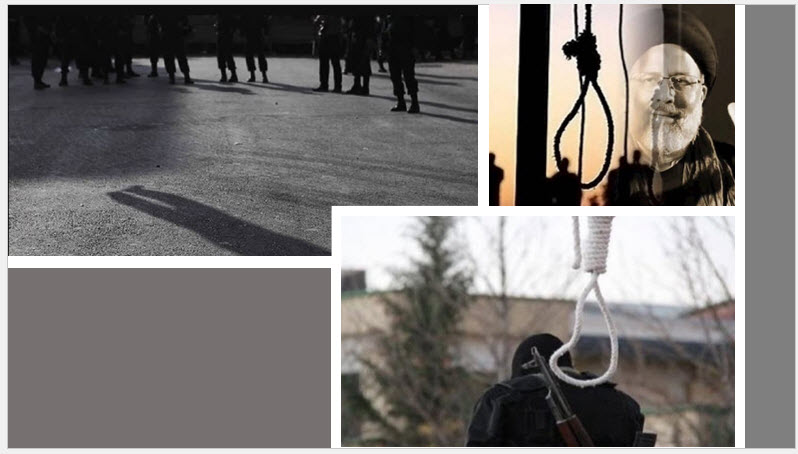
 

People are realizing that this regime only speaks in terms of force. Some regime officials have warned that the next time they will face armed people.


MEK Iran (follow us on Twitter and Facebook), Maryam Rajavi’s on her siteTwitter & Facebook, NCRI  (Twitter & Facebook), and People’s Mojahedin Organization of Iran – MEK IRAN – YouTub
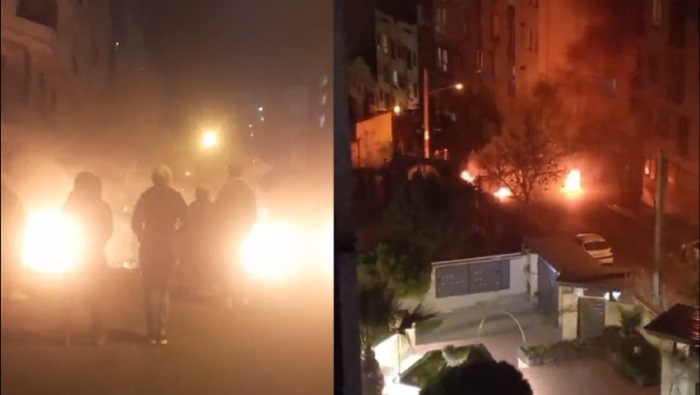


Iran: Second day of a three-day major strike campaign

According to latest reports protesters in at least 280 cities throughout Iran’s 31 provinces have taken to the streets for 96 days now seeking to overthrow the mullahs’ regime. Over 700 have been killed by regime security forces and at least 30,000 arrested, via sources affiliated to the Iranian opposition PMOI/MEK.
According to the latest reports protesters in at least 280 cities throughout Iran’s 31 provinces have taken to the streets for 97 days now seeking to overthrow the mullahs’ regime. Over 750 have been killed by regime security forces and at least 30,000 arrested, via sources affiliated to the Iranian opposition PMOI/MEK.


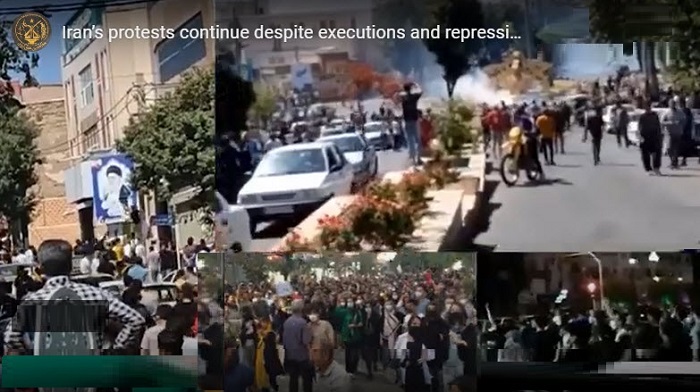
After a night of intense protests in several cities, Iran’s nationwide uprising reached its 97th day on Tuesday. This is the second day of a three-day campaign of major strikes and protests across the country.

Workers from the oil terminal in Qeshm Islamd, as well as workers and personnel from the Parand Industrial City Transformers Company, joined this new campaign. Residents of Tehran’s Rasul Akram Hospital and students at Iran University of Medical Sciences, as well as students at Isfahan University’s Economics School, went on strike and boycotted classes in response to the regime’s escalating crackdown measures.


Protests in Iran have now spread to at least 280 cities. According to sources from the Iranian opposition People’s Mojahedin of Iran (PMOI/MEK), the regime’s forces have killed over 750 people and arrested over 30,000. The MEK has released the names of 596 protesters who were killed.

All shops in Sanandaj’s Shahrak-e Sanati (industrial village) were closed. Residents and physicians at Rasul-e Akram hospital in Tehran went on strike and held protest rallies. Students also went on strike in Saqqez and Rasht, refusing to go to class in solidarity with nationwide strikes and protests.


A large rally was held in Gorgan in memory of Ayda Rostami, a civilian who was killed by security forces seven days ago. The regime sent plainclothes agents to the scene to control the situation, but the protesters persisted.

Protests were held in a number of cities on Tuesday night. Protests were held in Tehran’s Revolution Square, Ekbatan district, Sadeghiyeh district, Parkway, and Tehranpars. Protesters chanted anti-regime slogans. Protesters blocked a road in Salsabil, chanting, “This is the year Khamenei will be deposed!” Protesters in Sadeghiyeh chanted, “Khamenei is a murderer, his rule is illegitimate!”


On Monday, activists in Tehran, Kerman, Kamyaran, Saqqez, Sanandaj, Eyvan, Ravansar, Javanrud, Bukan, Kuzaran, Shanin Shahr, and other cities reported merchant and storeowner strikes.

Protest rallies in Golshahr chanted “Death to Khamenei!” and “Death to the dictator!” in Karaj. Protesters also chanted anti-regime slogans and declared that they will continue their uprising even if the regime continues to hang political prisoners.

Protests have been reported in several other cities, though locals are having difficulty sending their reports due to internet outages caused by the regime. Protesters in Sanandaj blocked roads and chanted, “Death to the dictator!”

People gathered in Karaj, west of Tehran, in the Gohardasht district, and chanted, “Death to the dictator!” Protesters held a large rally in Golshahr, chanting anti-regime slogans. They also remembered Majid Reza Rahnavard, a protester who was executed earlier this month by the regime.


Rasht witnessed a large-scale protest. People took to the streets, chanting anti-regime slogans and expressing their determination to continue their revolution. “We swear on the blood of our compatriots, we will fight to the end!” chanted the protesters.

Iranian opposition President-elect Maryam Rajavi of the National Council of Resistance of Iran (NCRI), praised the “courageous women and youths in Iran rose up” on Monday, calling for the overthrow of the mullahs’ regime and the release of political prisoners.


MEK Iran (follow us on Twitter and Facebook), Maryam Rajavi’s on her siteTwitter & Facebook, NCRI  (Twitter & Facebook), and People’s Mojahedin Organization of Iran – MEK IRAN – YouTub
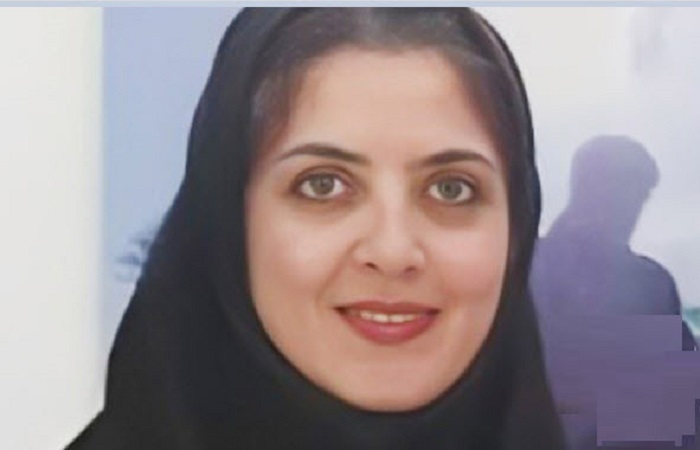


Iran: IRGC intelligence tortured Kurdish journalist Ziba Omidifar

According to sources, the Kurdish journalist was tortured and harassed during her week in detention.


Ziba Omidifar, a Kurdpress News Agency reporter, was taken to Kowsar Hospital in Sanandaj by IRGC security forces on the morning of December 15, a week after being arrested and transferred to the IRGC Intelligence Organization’s detention center in Sanandaj, the capital of Kurdistan Province.

Iranian uprising enters its 93rd with oil workers going on strike across several locations

Workers in Gachsaran, chanted, "We've had enough promises, we have no food." Firefighters on Khark Island joined the oil industry workers in their protest.

Workers in Gachsaran, chanted, "We've had enough promises, we have no food." Firefighters on Khark Island joined the oil industry workers in their protest.


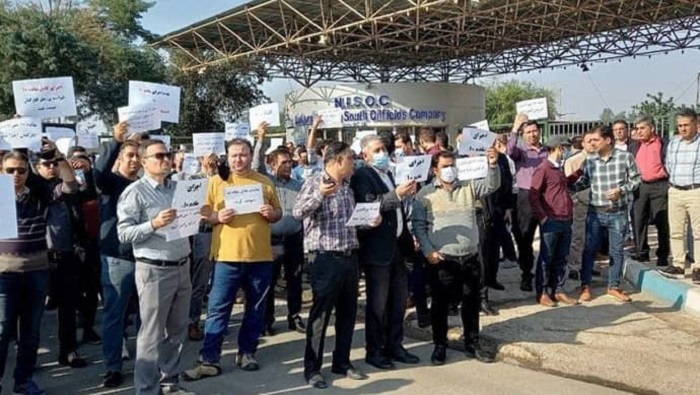
On the 93rd day of the uprising, Saturday, December 17, oil industry workers went on strike in several locations across Iran. Employees from the oil industry gathered outside the National Iranian South Oilfield Company in Ahvaz. Employees from the Oil Industry’s Operational Regions demonstrated in Asaluyeh.


Iran Nationwide Uprising – Day 94

On Saturday, the commuters in Tehran chanted, “We pledge to our fallen comrades, we will stand until the end,” “Death to the dictator,” “This is the final warning, the entire regime is the target,”

On Saturday, the commuters in Tehran chanted, “We pledge to our fallen comrades, we will stand until the end,” “Death to the dictator,” “This is the final warning, the entire regime is the target,”


On Sunday, December 27, the 94th day of the uprising, the defiant youth set fire to the Basij base in the Sabalan neighborhood of Tehran. The students of Shiraz University of Medical Sciences staged a demonstration for the second day running chanting “Imprisoned students must be set free” and “Release political prisoners.” A number of artists gathered outside Tehran’s Evin prison.


Iran: Baluchi protesters continue their brave anti-regime demonstrations

According to latest reports protesters in at least 280 cities throughout Iran’s 31 provinces have taken to the streets for 91 days now seeking to overthrow the mullahs’ regime. Over 700 have been killed by regime security forces and at least 30,000 arrested, via sources affiliated to the Iranian opposition PMOI/MEK.
According to the latest reports protesters in at least 280 cities throughout Iran’s 31 provinces have taken to the streets for 91 days now seeking to overthrow the mullahs’ regime. Over 700 have been killed by regime security forces and at least 30,000 arrested, via sources affiliated to the Iranian opposition PMOI/MEK.


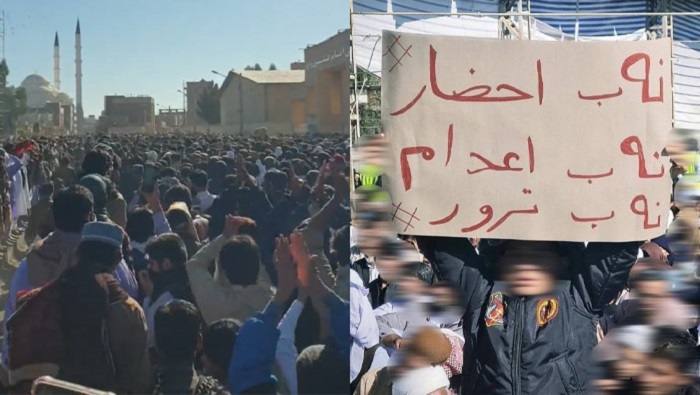
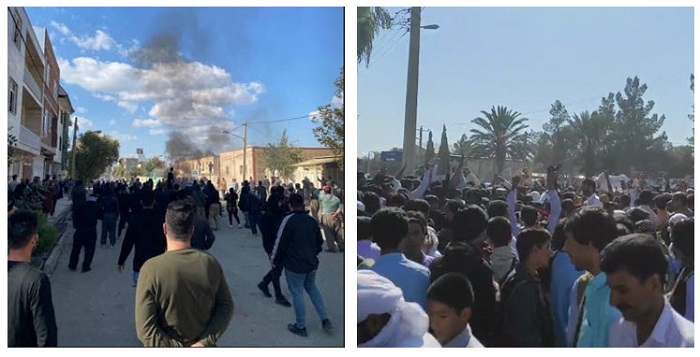
On Friday, the 92nd day of the Iranian uprising, the brave Baluchi community of Sistan & Baluchestan Province, located in southeast Iran, took to the streets again in line with their ongoing anti-regime weekly protests held every Friday. Despite the regime’s security forces continued crackdown on this long-oppressed community, the Baluchis’ endurance continues.

Iran: Wave of protests following the recent state execution of two protesters

Recently, the regime's so-called judiciary executed Mohsen Shekari and Majidreza Rahnavard in less than a week, both on the mullah-fabricated charge of "Moharebeh," or "waging war against God.
Recently, the regime’s so-called judiciary executed Mohsen Shekari and Majidreza Rahnavard in less than a week, both on the mullah-fabricated charge of “Moharebeh,” or “waging war against God.


” In addition, authorities hanged at least five inmates in Arak on December 12, according to activists. Intelligence and Security Minister Esmail Khatib, who has been sanctioned by the United States for terrorism and human rights violations, stated that [the regime] “would punish anyone who played a role in ‘riots’ and ‘chaos,’ whether inside the country or anywhere else in the world.”

Furthermore, at least 35 journalists are still detained in Iran, according to reports, and the regime has summoned a significant number of journalists since the protests began in mid-September. The Iranian regime is desperately attempting to instill fear in Iranian society and silence the ongoing protests through these barbaric measures.


Instead, Iranians commemorated the 89th day of anti-regime protests by publicly condemning the regime’s atrocities. Protests have spread to 282 cities, according to the Iranian opposition People’s Mojahedin of Iran (PMOI/MEK). Over 700 citizens have been killed, tens of thousands have been injured, and over 30,000 have been detained by the regime. The MEK has released the names of 580 protesters who were killed.

People gathered for Rahnavard’s funeral, confronted the regime’s security forces, and began chanting anti-government slogans. Students at Az-Zahra University chanted, “They took our Majidreza and brought back his corpse!”

Students at Sureh University in Tehran’s capital, Tehran, boycotted classes as part of a nationwide protest against the regime. Students at Tehran’s Islamic Azad University Science and Research Branch also protested the regime’s heinous executions. High school students protested in Shiraz, south-central Iran, chanting anti-regime slogans.


Locals gathered in Shush, Khuzestan Province, southwest Iran, to honor Abbas Mansouri, a protester who allegedly committed suicide after being released from a prison where he was subjected to severe torture.

Mashhad residents remembered Majid Reza Rahnavard chanting, “Death to [Khamenei] for all these years of crime!” “If we don’t band together, [the regime] will kill us all!”

Schoolgirls protested in the streets of Kamyaran, Kurdistan Province, western Iran, chanting, “Khamenei is a murderer!” His rule is unconstitutional!” High school students in Ahvaz staged similar protests, chanting, “You are vile and lewd. “I am an independent thinker.”


Western lawmakers have condemned the recent state executions as well as the ongoing crackdown across Iran:

“We’ve had a steady drumbeat of announcements regarding sanctions against those who are perpetrating these gross human rights violations and repression,” told US National Security Advisor Jake Sullivan on December 12. “We haven’t just done it ourselves; we’ve coordinated and aligned with other countries all over the world, creating an international chorus of condemnation against what’s going on.”

Italy’s Prime Minister Giorgia Meloni condemned Iran for suppressing dissent and pledged that her administration would continue to defend the people’s fundamental rights and freedoms.

“In the face of executions and massacres, which are the primary tools of Iran’s religious dictatorship,” said Iranian opposition President-elect Maryam Rajavi of the National Council of Resistance of Iran (NCRI). “Our people’s response to the clerical regime’s overthrow can be summed up in Resistance Units, uprisings, and the great army of freedom.”


MEK Iran (follow us on Twitter and Facebook), Maryam Rajavi’s on her siteTwitter & Facebook, NCRI  (Twitter & Facebook), and People’s Mojahedin Organization of Iran – MEK IRAN – YouTub
 

Iran’s nationwide uprising enters its 91st day, with people taking to the streets across the country

"In the past four decades, the religious fascism that rules Iran has arrested, tortured, and executed thousands of female political prisoners, and in the last three months alone, during the uprising, it has killed at least 61 women
“In the past four decades, the religious fascism that rules Iran has arrested, tortured, and executed thousands of female political prisoners, and in the last three months alone, during the uprising, it has killed at least 61 women.


On Thursday, the Iranian people continued their nationwide uprising for the 91st day, following the death of Mahsa Amini, a 22-year-old woman arrested by morality police in Tehran on September 13 for allegedly violating the country’s strict dress code for women. In response to the event, protests erupted in at least 280 cities.

Iran: What is the IRGC Fatehin’s special unit?

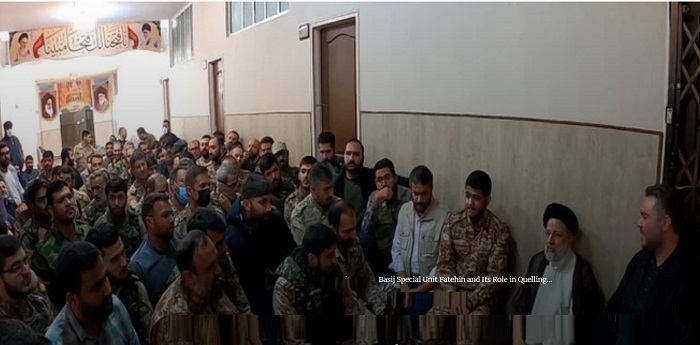
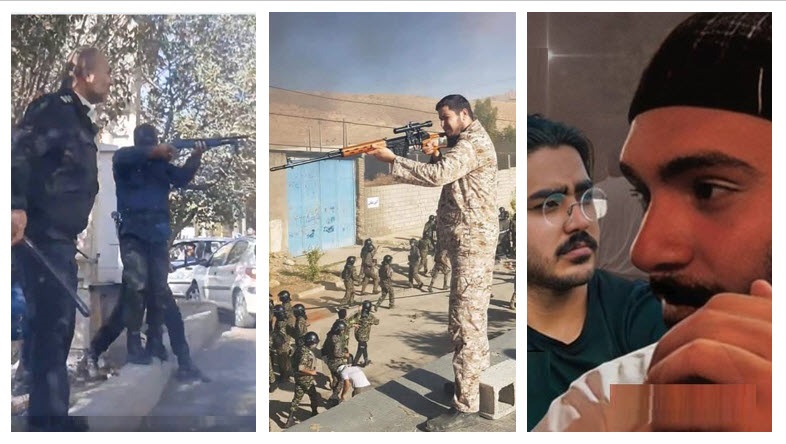
The Fatehin Special Unit is one of the militia groups overseen by the regime's Revolutionary Guards (IRGC), and its members have received special military training in addition to the standard training received by Basij members who have been deployed in Tehran in official military uniforms in recent weeks to confront protesters.
The Fatehin Special Unit is one of the militia groups overseen by the regime’s Revolutionary Guards (IRGC), and its members have received special military training in addition to the standard training received by Basij members who have been deployed in Tehran in official military uniforms in recent weeks to confront protesters.


On November 26, Ebrahim Raisi, the president of the mullahs’ regime, paid a visit to the regime’s special forces known as ‘Fatehin.’ He complimented them and said, “You shined well.” His remark was in response to this infamous unit’s involvement in the repression of people during the recent protests.

Iran: Round of demonstrations in response to the recent state execution of two protesters

Mohsen Shekari, who had been detained for participating in peaceful demonstrations, was hanged on December 8 by Iran's theocracy. Majidreza Rahnavard was executed at dawn on Monday, four days later. Could these executions aid the regime's control of a rebellious society?
Mohsen Shekari, who had been detained for participating in peaceful demonstrations, was hanged on December 8 by Iran’s theocracy. Majidreza Rahnavard was executed at dawn on Monday, four days later. Could these executions aid the regime’s control of a rebellious society?


Ali Khamenei, the regime’s supreme leader, has repeatedly stated that defiant youth, whom he refers to as “rioters,” will face harsh punishment. By executing Mohsen, Khamenei demonstrated to society that demanding freedom comes at a high cost. However, the Iranian people’s reaction to the executions of Mohsen and Majid caused Khamenei to fail at the first hurdle.

Iranians gathered at Majid’s grave hours after his martyrdom and vowed to continue their fight for freedom. Defiant youths set fire to Basij paramilitary bases, seminaries, and regime symbols from south to east and north to west in Iran. People blocked Sattarkhan Street in Tehran, where Mohsen was arrested and clashed with security forces

Protesters in Sistan and Baluchestan province took to the streets on Friday, pledging to continue Mohsen’s path to democracy and freedom by chanting, “We swear on the blood of those who died, we will [resist] to the end!” The regime’s efforts to divide and conquer the nationwide uprising by labeling ethnic minorities as separatists were debunked by these chants.


Furthermore, the state-sanctioned murders of Mohsen and Majid drew international condemnation. Iranians around the world, primarily supporters of the Iranian opposition People’s Mojahedin of Iran (PMOI/MEK), held protest rallies from early morning until late at night, vowing to “resist to the end.”

Many mullahs and former officials criticized Mohsen’s execution, calling the charges of “Moharebeh” into question. Some argue that he should not have been executed because he did not kill security forces and only blocked the road. Others asserted that even if a security guard was killed, the state shouldn’t use “Moharebeh” charges and rather it should have sought “the path of amnesty” instead.

“Even if a protester takes up arms and kills the sacred Imam, he is not a Mohareb, and the state shouldn’t sentence him to death. We should show mercy and amnesty despite his crime,” Soroush Mahalati, a state-affiliated cleric, told the Sarpoosh website on December 9.


Other officials warned their colleagues that these executions would not quell Iran’s ongoing and relentless wave of dissent.

“If you want to rule, keep in mind that hangings will not help you. If you want to protect the system, ask yourself why people are protesting against us. What have we done that youths are still on the streets three months later?” According to the state-run Sarpoosh, another seminary teacher, Fazel Meibodi, stated on December 11.

On September 22, when the nationwide uprising began, the clerical regime began its so-called “smart” oppression. On October 25 the Iranian Resistance revealed a classified report from the Revolutionary Guards (IRGC) in this regard in a statement issued on October 25.


"Target arrest of the enemy's effective elements: Individuals who have remained on the field for the past 25 days represent the rioters' engine. As a result, arrest and neutralize them," reads an IRGC commander's directive to all IRGC commanders, as revealed by the Iranian Resistance.
“Target arrest of the enemy’s effective elements: Individuals who have remained on the field for the past 25 days represent the rioters’ engine. As a result, arrest and neutralize them,” reads an IRGC commander’s directive to all IRGC commanders, as revealed by the Iranian Resistance.


The time has come for Western democracies to practically back the Iranian people’s revolution by cutting all ties with Tehran, closing embassies, expelling agents, and recognizing the Iranian people’s right to self-defense. These steps undoubtedly weaken Khamenei’s oppressive apparatus.


MEK Iran (follow us on Twitter and Facebook), Maryam Rajavi’s on her siteTwitter & Facebook, NCRI  (Twitter & Facebook), and People’s Mojahedin Organization of Iran – MEK IRAN – YouTub