Iran for past and ongoing crimes against humanity and other gross and systemic human rights violations condemned 68 times.
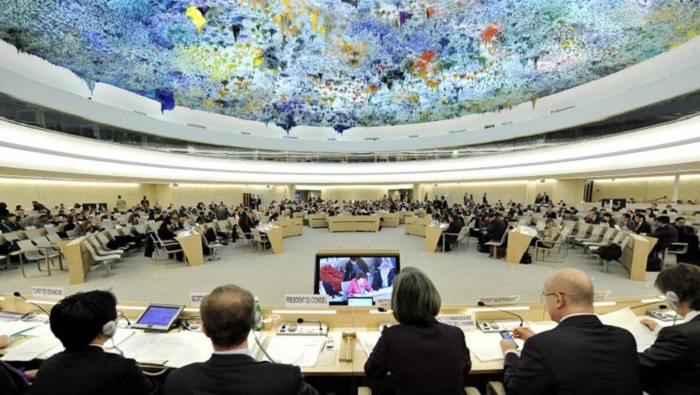
Amnesty International has issued a report to the United Nations Human Rights Council, which will conduct its forty-ninth regular session from February 28 to April 1, 2022, in the Palais des Nations in Geneva, calling for immediate action to avoid continued human rights abuses in Iran.
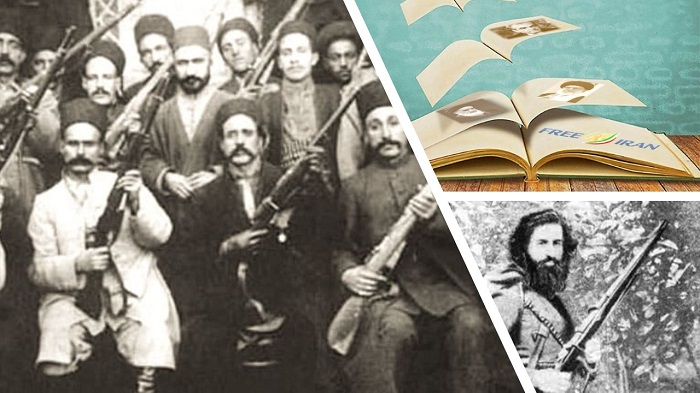
Two competing versions of Iran’s history have evolved since the mullahs took power in the country.
Two competing versions of Iran’s history have evolved since the mullahs took power in the country. One was propagated by the dictatorship and its propaganda apparatus, while the other was an unauthorized version that was generally accepted by the public.
The first, promoted by the mullahs, portrays them as true saviors of the country who opposed the Shah’s dark regime. They liberated the people, established a pious religion, and brought the country to ‘independence’ without the assistance of anyone other than divine intervention.
They exterminated any considered enemies of the people, from ordinary critics to “hypocrites” and atheists. Through the “Supreme Leader” or Velayat-e Faqih, they constructed a heavenly Islamic State.
Raisi’s government and his like-minded in the parliament promised to do something so that the people could earn a living.
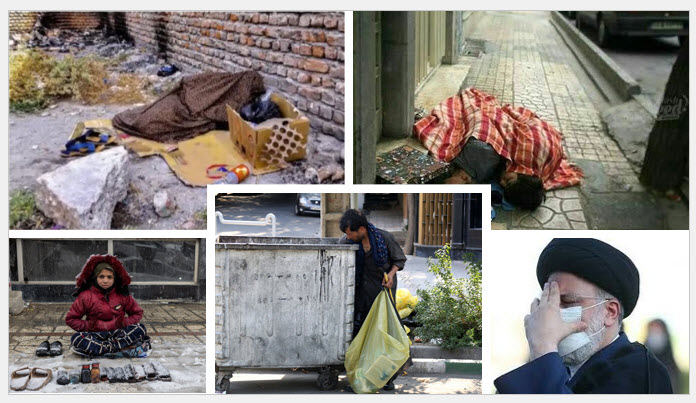
Despite the claims of the Iranian regime president Ebrahim Raisi and his government officials to lower inflation and boost the economy, the Iranian people continue to suffer from the misery and hunger of empty baskets. The state-run newspaper “The state-run dailies and media are writing every day about inflation getting under control and promising even better days,” Jana Sanat wrote on February 10, 2022, concerning the regime’s empty promises. The citizens, on the other hand, continue to bear the brunt of the exorbitant costs.
Iran is one of the few countries in the world with two different currency exchange rates. One is the free-market rate, which is determined by the currency market’s supply and demand dynamics.
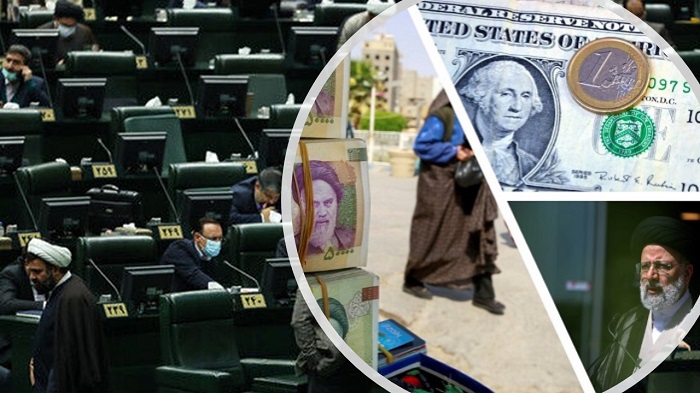
As the Majlis (parliament) continues to debate the budget bill for the coming Persian calendar year, the mullahs’ regime’s inherent corruption and economic woes become more apparent. The intention to abolish the “42,000-rial exchange rate,” which has been the topic of heated controversy in recent months since it was proposed in the budget bill, was discussed in part at the Majlis’s Sunday confidential session.
Iran is one of the few countries in the world with two different currency exchange rates. One is the free-market rate, which is determined by the currency market’s supply and demand dynamics. The current free-market rate in Iran is roughly 260,000 rials per dollar.
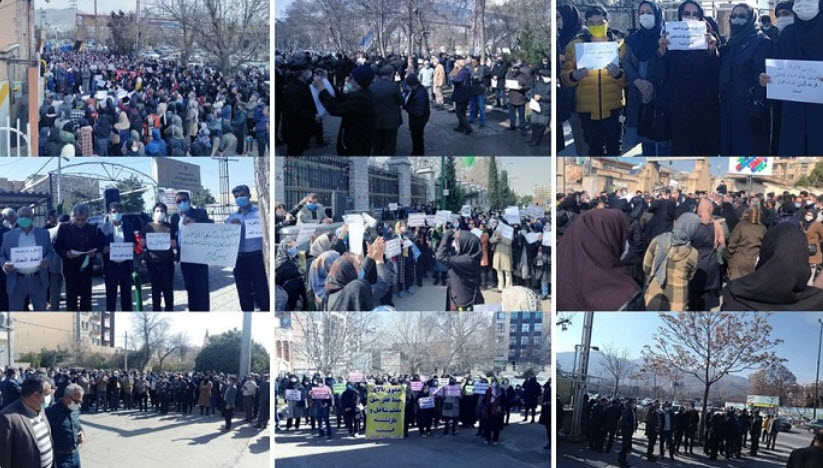
One of the key demands being made by the protesting teachers is the adoption of a “classification plan,” which is ostensibly aimed at rearranging the teachers’ wages but has been delayed for the previous four years.
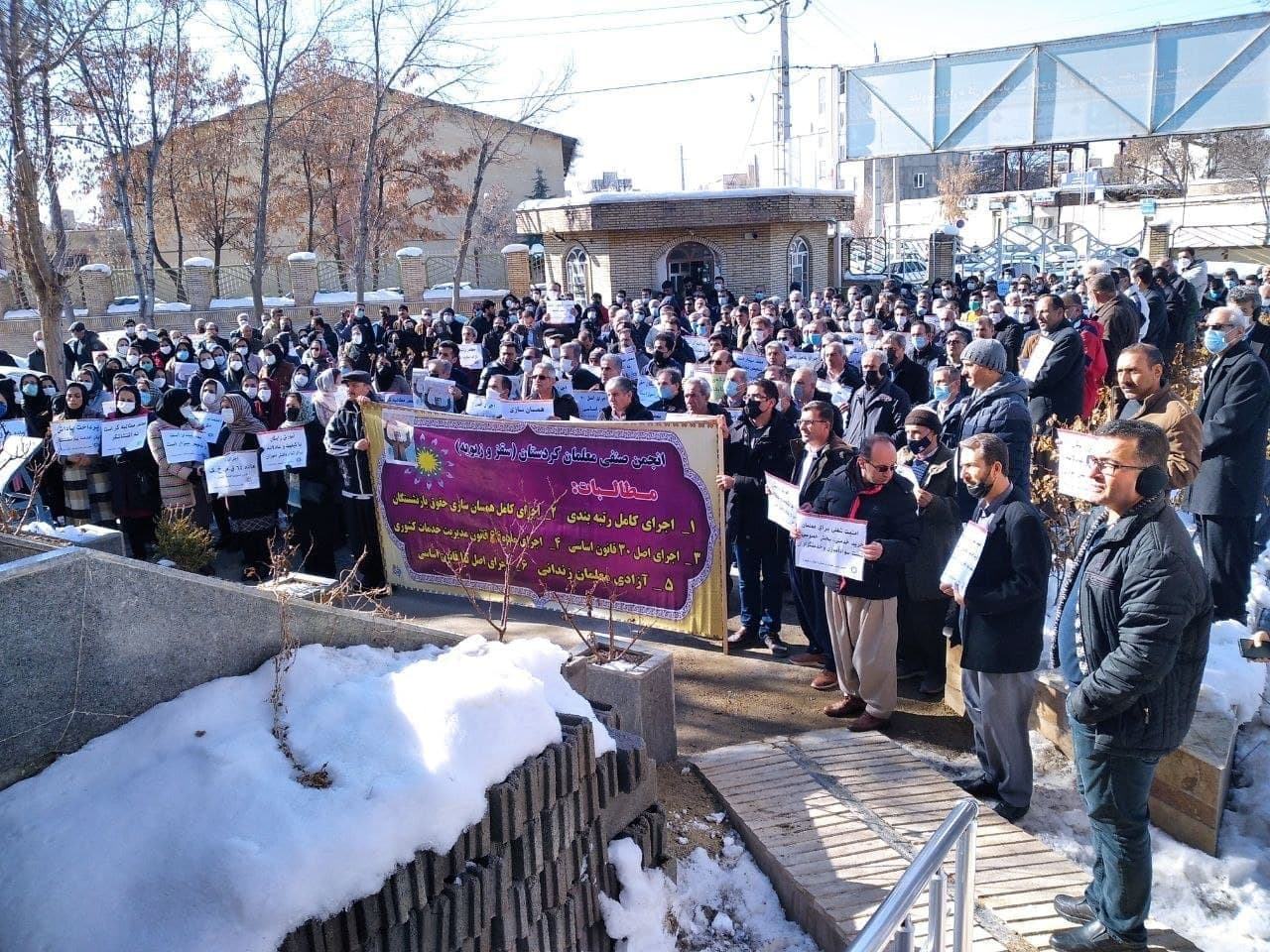
On Tuesday, February 22, teachers across Iran held protest demonstrations and went on strike in dozens of cities, seeking greater pay as inflation continues to increase in parallel with increasing prices of products and housing. These large protests took place in places such as Tehran, Mashhad, Karaj, Isfahan, Ahvaz, Shiraz, Kermanshah, Rasht, Ardabil, Sanandaj, Borujerd, and many others.
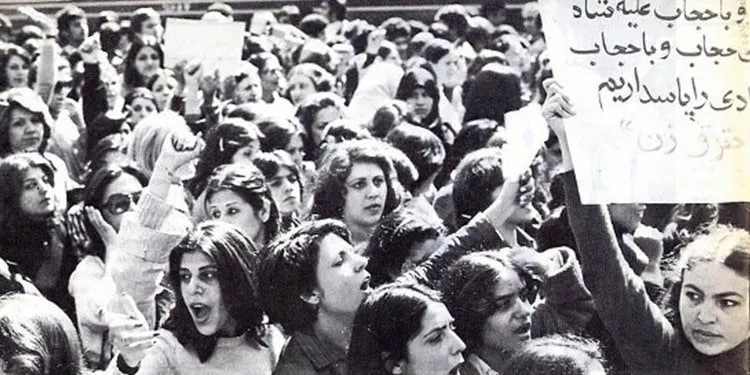
Iranian women’s widespread engagement in recent upheavals stems back to their role in the 1979 revolution against the monarchical regime in Iran.
The anniversary of the 1979 Revolution, which destroyed the Shah’s monarchical system in Iran, serves as a reminder of Iranian women’s significant role and impact during that period, which is regarded as a turning event in the history of Iranian women’s struggles. Women’s engagement in the current revolution, and in particular their leadership position in it, is a continuation of their participation in the 1979 Revolution, as well as prior to that.
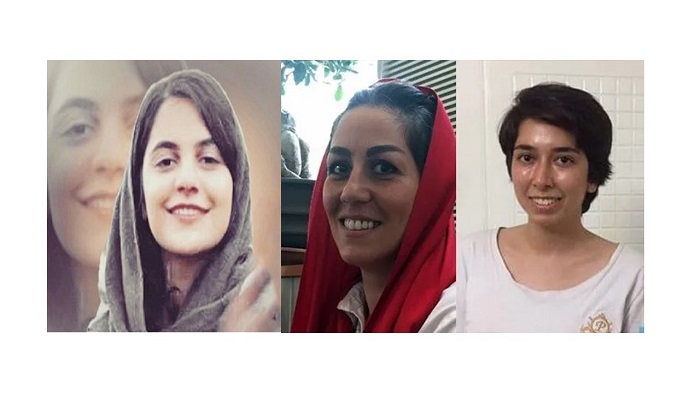
Political detainees Saba Kord Afshari and Forough Taghipour in Varamin’s Qarchak Prison and Maryam Akbari Monfared in Semnan’s Semnan Prison have been exposed to pressures, including beatings and denial of medical attention, in recent days.
By disregarding the separation of offenses, security and prison personnel are putting more pressure on female political prisoners. Political detainees Saba Kord Afshari and Forough Taghipour in Varamin’s Qarchak Prison and Maryam Akbari Monfared in Semnan’s Semnan Prison have been exposed to pressures, including beatings and denial of medical attention, in recent days.
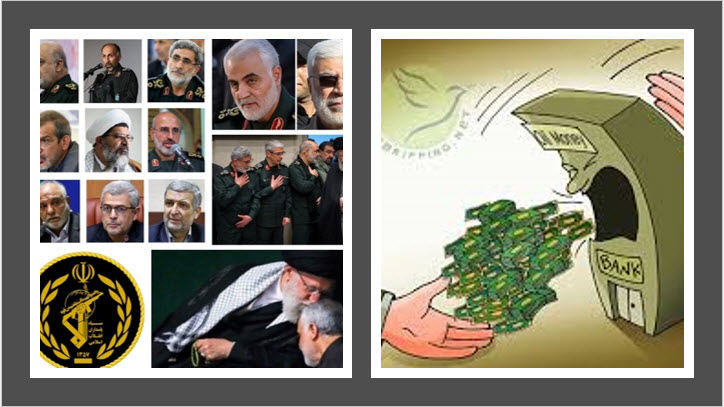
However, under the Iranian regime’s budget bill, taxes are utilized to compensate for the percentage of the budget that has been allotted to its destructive behavior.
Taxation is a key tool for regulating wealth in favor of the poor. Furthermore, the government’s tax funds are utilized to strengthen public services and welfare. However, under the Iranian regime’s budget bill, taxes are utilized to compensate for the percentage of the budget that has been allotted to its destructive behavior. The government boosted taxes by 62 percent over the previous year, generating $21 billion in revenue.
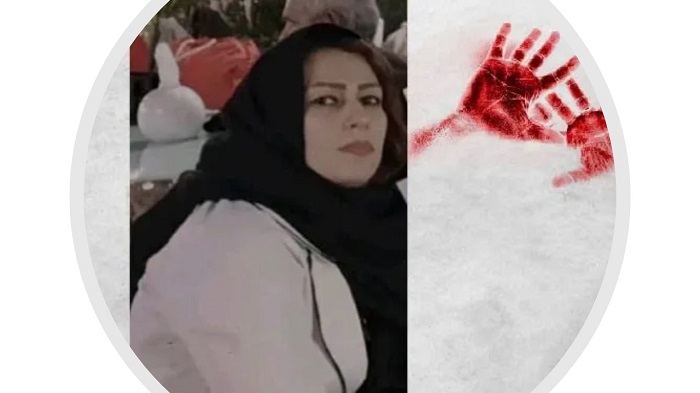
Fatemeh Sameti was a Kermanshah native the exact reason for the murder is unknown.
Fatemeh Sameti was a Kermanshah native the exact reason for the murder is unknown.Fatemeh Sameti’s husband stabbed her to death with a knife and an axe on Friday, February 19. Tahereh Shafii, 22, was slain by her father-in-law on the same day. FatemehSameti was a Kermanshah native. According to social media users, she and her spouse had long-standing disagreements. However, the exact reason for the murder is unknown. Her husband’s relatives promised him that if he killed Fatemeh, they would pay the blood money.
Protesters gathered in front of the regime’s parliament in Tehran, as well as the Education Ministry buildings in other towns.
Protesters gathered in front of the regime’s parliament in Tehran, as well as the Education Ministry buildings in other towns.Freedom-loving teachers and educators came to the streets in Tehran and at least 100 other cities in the morning of February 22, for the second time in less than a week. Protestors are denouncing miserable living circumstances, poor incomes, and the religious regime’s bogus promises and failure to meet their requests. They also sought the release of their colleagues who were detained.