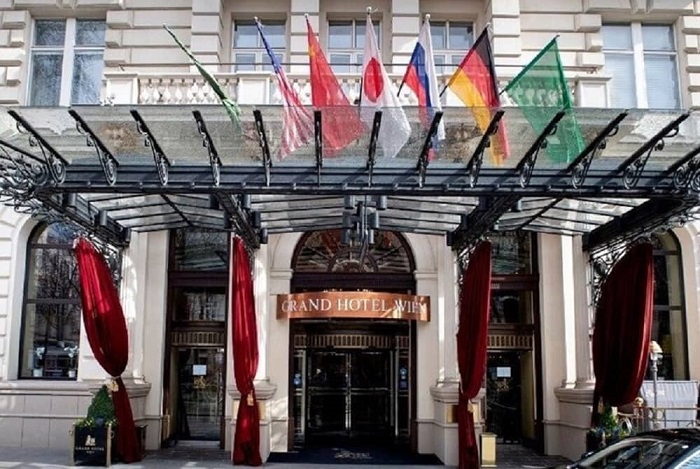
The talks began in April 2021 and were only resumed for two days at the end of June, after a nearly four-month pause caused by Tehran’s refusal to back down from irrelevant demands or engage in direct talks with the US.
The talks began in April 2021 and were only resumed for two days at the end of June, after a nearly four-month pause caused by Tehran’s refusal to back down from irrelevant demands or engage in direct talks with the US.
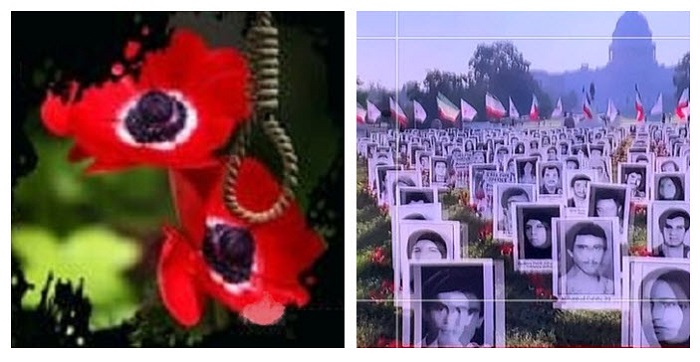
Today, perpetrators of crimes against humanity sit at the highest levels of government in Iran. Ebrahim Raisi, the regime’s Deputy Prosecutor General at the time and a key member of the Death Commission that ordered the slaughter of 30,000 political prisoners in 1988 is now the regime’s president.
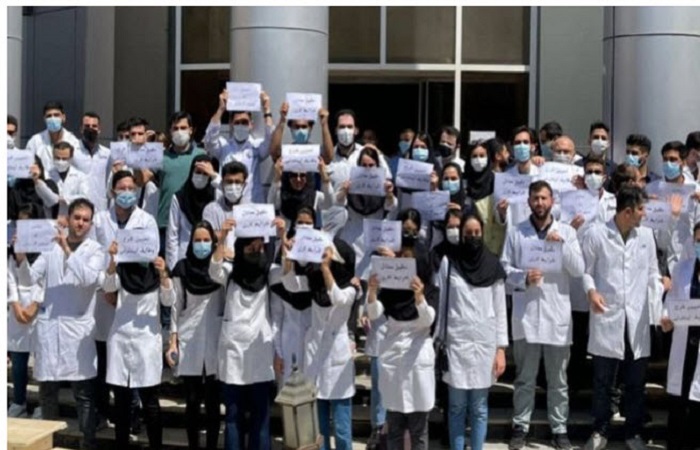
The officials of the regime claim that since the protests of 2019, the regime has lost public trust, and the ongoing demonstrations are evidence of this. According to regime experts, the regime is likely to face much larger and more dangerous protests in the near future as a result of rising inflation, public poverty, and the failure to reach an agreement in the JCPOA negotiations.
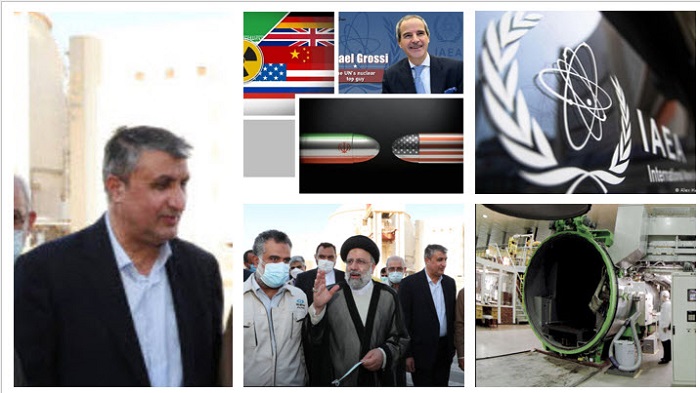
The state-run news agency ISNA stated in their most recent article, quoting the regime’s Atomic Energy Organization chief Mohammad Eslami, “This is an entirely domestic project that will close the chain of research, evaluation, testing, and production of nuclear energy in Iran.”
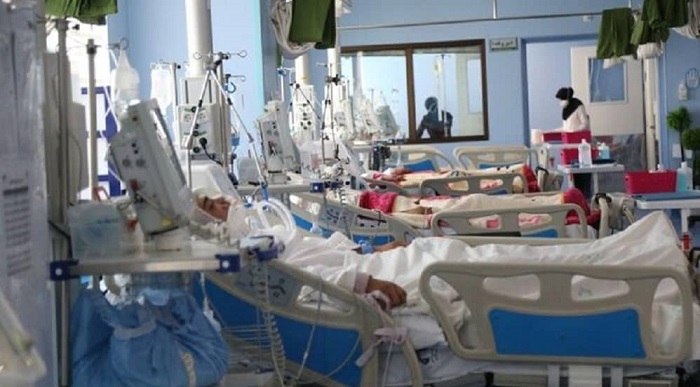
The seventh wave of the coronavirus is spreading, and 30 provinces have reported a marked increase in hospital admissions in the 127th week of the pandemic, according to the ISNA news agency. Additionally, Covid’s 19-related deaths have increased in 23 provinces. The number of red cities has grown from 57 to 120, orange cities from 86 to 112, yellow cities have decreased from 199 to 166, and blue cities have declined from 106 to 50 in number. Additionally, the death toll rose from 40 to 50 percent, and there are still concerns that it could reach triple digits.
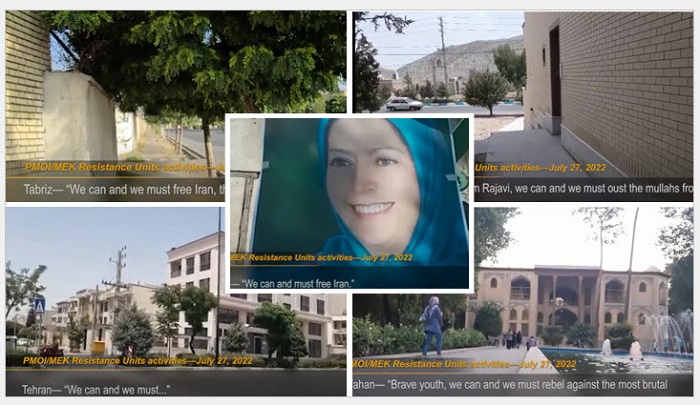
The Iranian regime had previously attempted to portray the People’s Mojahedin of Iran (PMOI/MEK) as completely non-existent, consistently claiming in its official propaganda that it had destroyed 90% of the group and that what was left was wilting in exile. This story served the purpose of portraying the regime as unchallenged and devoid of significant opposition.
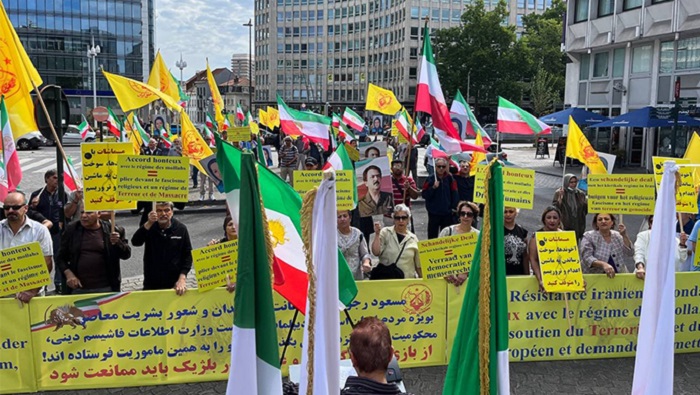
On Thursday, July 28, the Brussels Court of First Instance met and extended a ban on Assadollah Assadi’s extradition, the convicted and detained diplomat-terrorist for the Iranian regime. This decision will keep Assadi in custody for an additional two months even though a hearing on the merits of the case has been set for September 19.
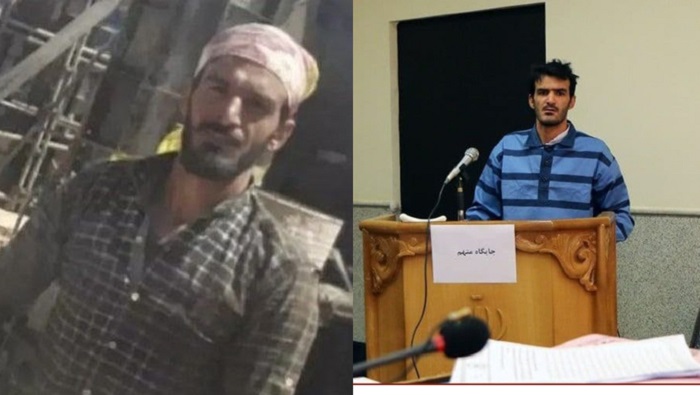
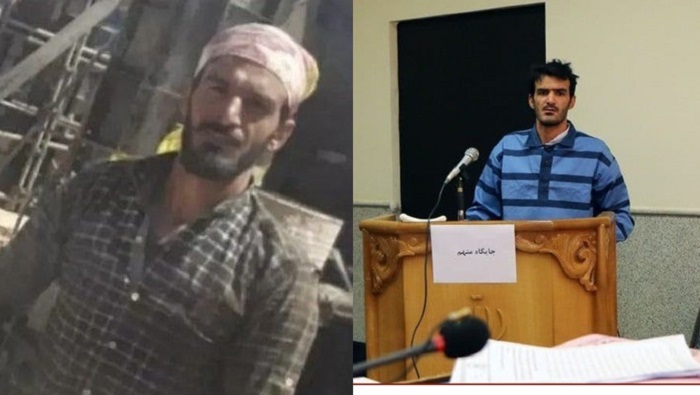
In just 30 days, there have been 54 executions, including 11 on July 23 alone. Iman Sabzikar, a political prisoner, was publicly hanged on this same day in Shiraz, in south-central Iran. This is the first public hanging in two years, a passage in the nightmarish history of human rights abuses committed by the mullahs, and it is included in the Iranian regime’s most recent report card on executions.
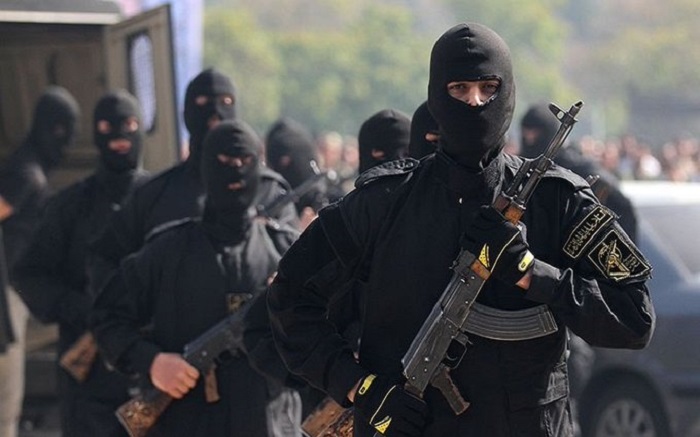
The regime started two significant wars at the outset of its rule. First, it waged war on the Iranian people; second, it meddled in regional affairs and waged war while supporting international terrorism. which both are still taking place right now.
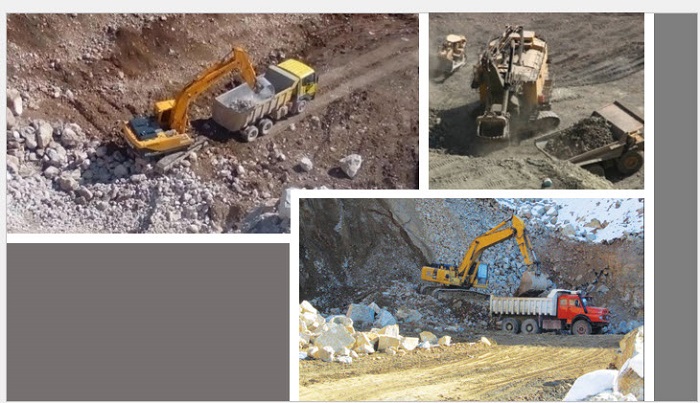
According to official statistics, Iran’s mining industry is experiencing a significant recession and a sharp decline in financial indicators. Experts estimate that the nation’s discovered mineral reserves total at least 43 billion tons, but as of right now, close to 40% of the nation’s mines have been closed.